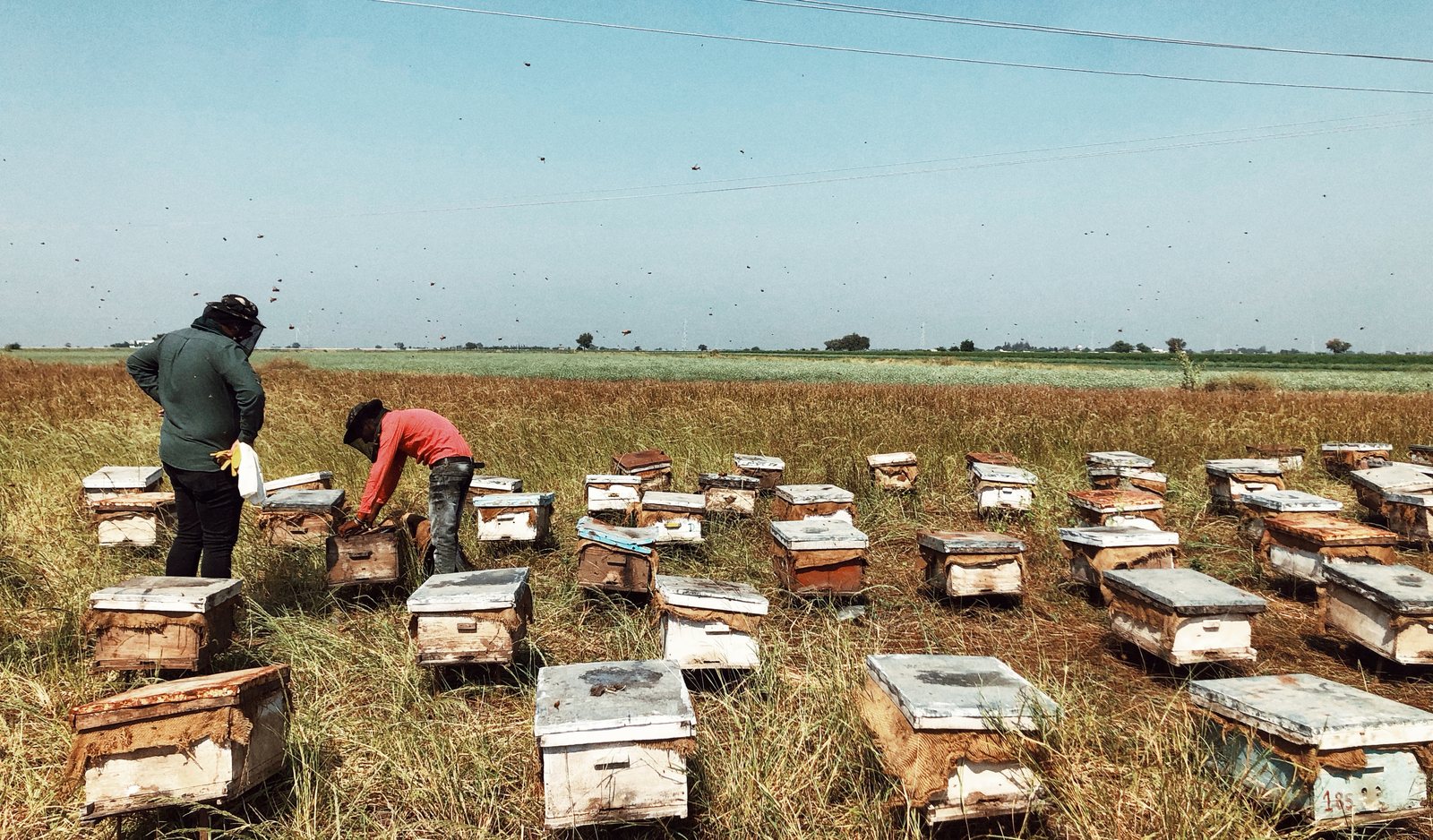
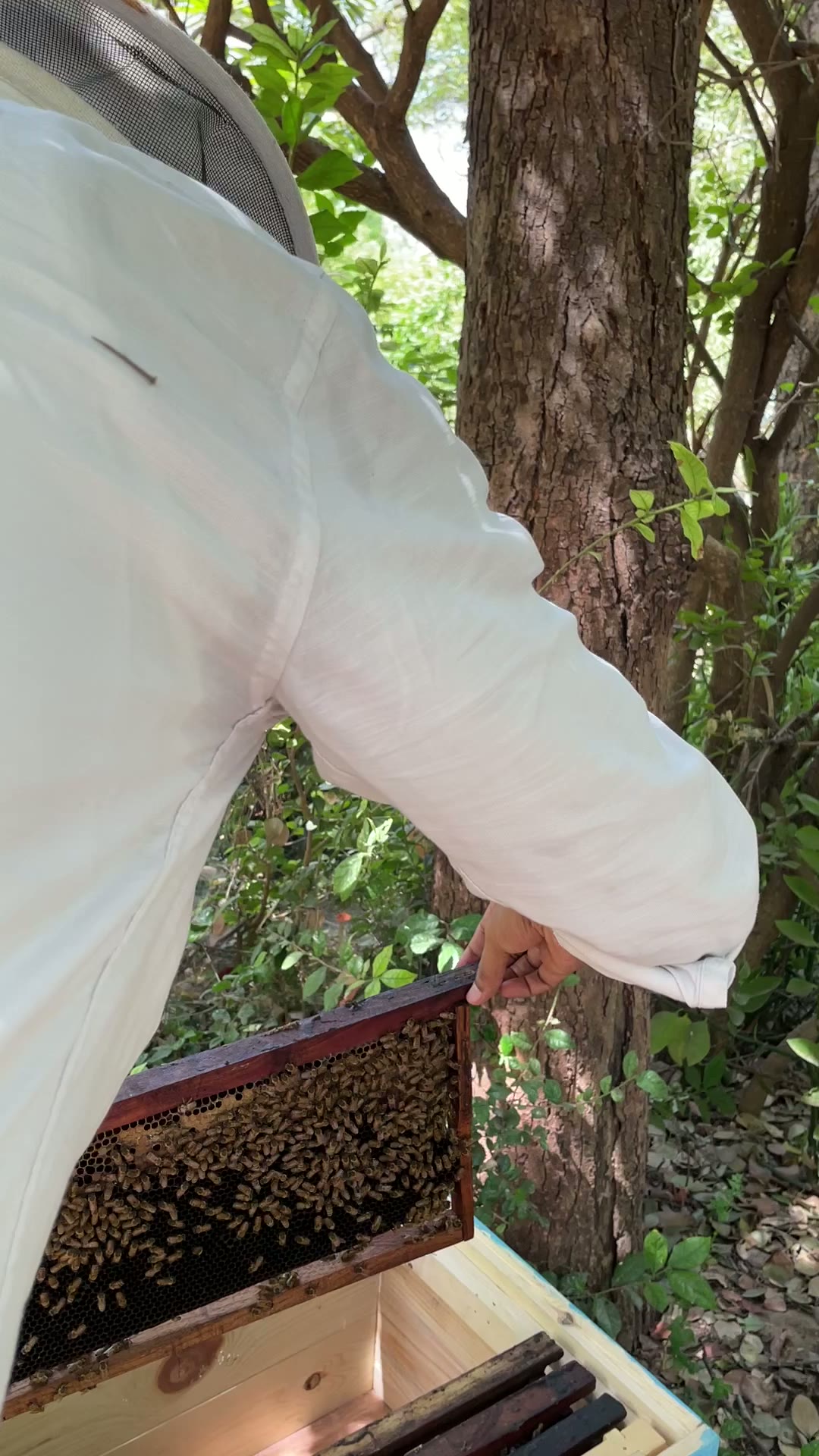
Honey is one of the most frequently adulterated food products in the world. The difficulty is detecting adulteration at the point of production, before it reaches a market that cannot distinguish genuine from falsified.
What verification requires
Meaningful traceability requires data at multiple stages: where the product came from, how it was produced, what quality parameters it meets and how it was stored and transported. PAQ's B469 device provides field-level analysis of food samples in under a second, without reagents, without destruction of the sample.
Why field-level matters
Laboratory testing after the fact confirms what happened. Field testing at the point of harvest prevents a problem from entering the supply chain. When a farmer or beekeeper can verify quality before a batch leaves the farm, the entire supply chain becomes more reliable.
Trust as a market advantage
Producers who can demonstrate quality through verifiable data hold a different market position than those who can only make a claim. Traceability becomes a practical advantage, not only an ethical one.