 PAQ Technology

Accuracy
We do not build technology that merely estimates. Every system must deliver precise, validated results because decisions concerning food cannot be based on approximation.

From hive activity and soil health to final market purity, end-to-end traceability and automated verification for every step of the supply chain
PAQ Technology Ecosystem
Nature is always communicating—through bees, soil, crops, changing environments, and the food that reaches us. But many of these signals remain invisible until something goes wrong. The PAQ Tech Ecosystem is built to recognise these changes early and turn understanding into timely action. Designed to work in real-world conditions, it makes conservation more practical, decisions more informed, and food easier to understand and trust.
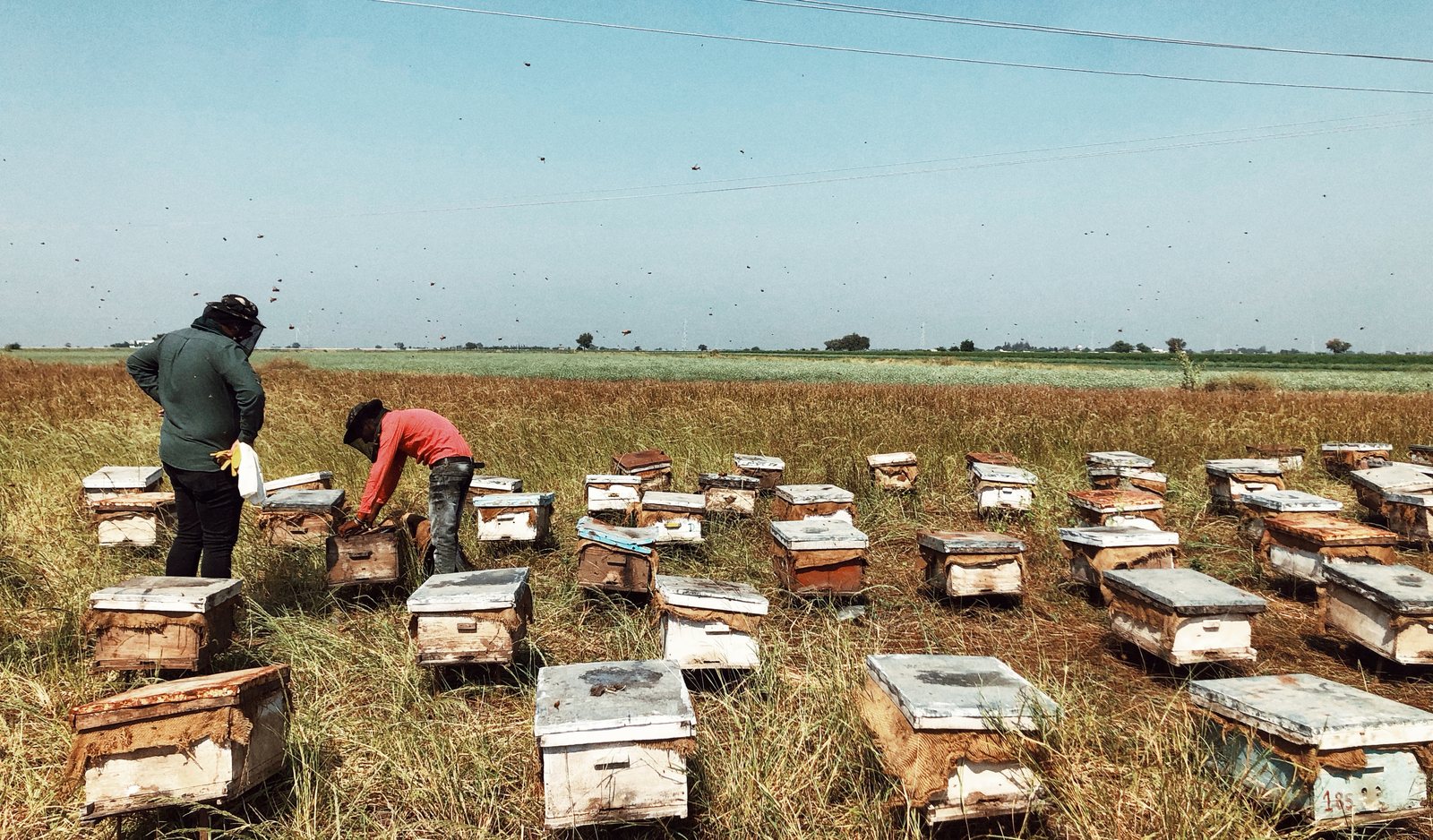
Integrated Hive Monitoring System
Every jar of honey has a paper trail from hive to harvest — we can prove it. iHMS turns beekeeping from a periodic check-in into continuous, verifiable monitoring. This is how we make claims we can back with data, not just promises.
See iHMS in actionSix intelligence areas
Strength, stress, growth, and recovery patterns
Daily activity, foraging, and seasonal changes
Sounds linked to stress, swarming, and colony activity
Early signs of pests, disease, and environmental pressure
Nectar flow and natural honey-production cycles
Falls, disturbances, tampering, and movement
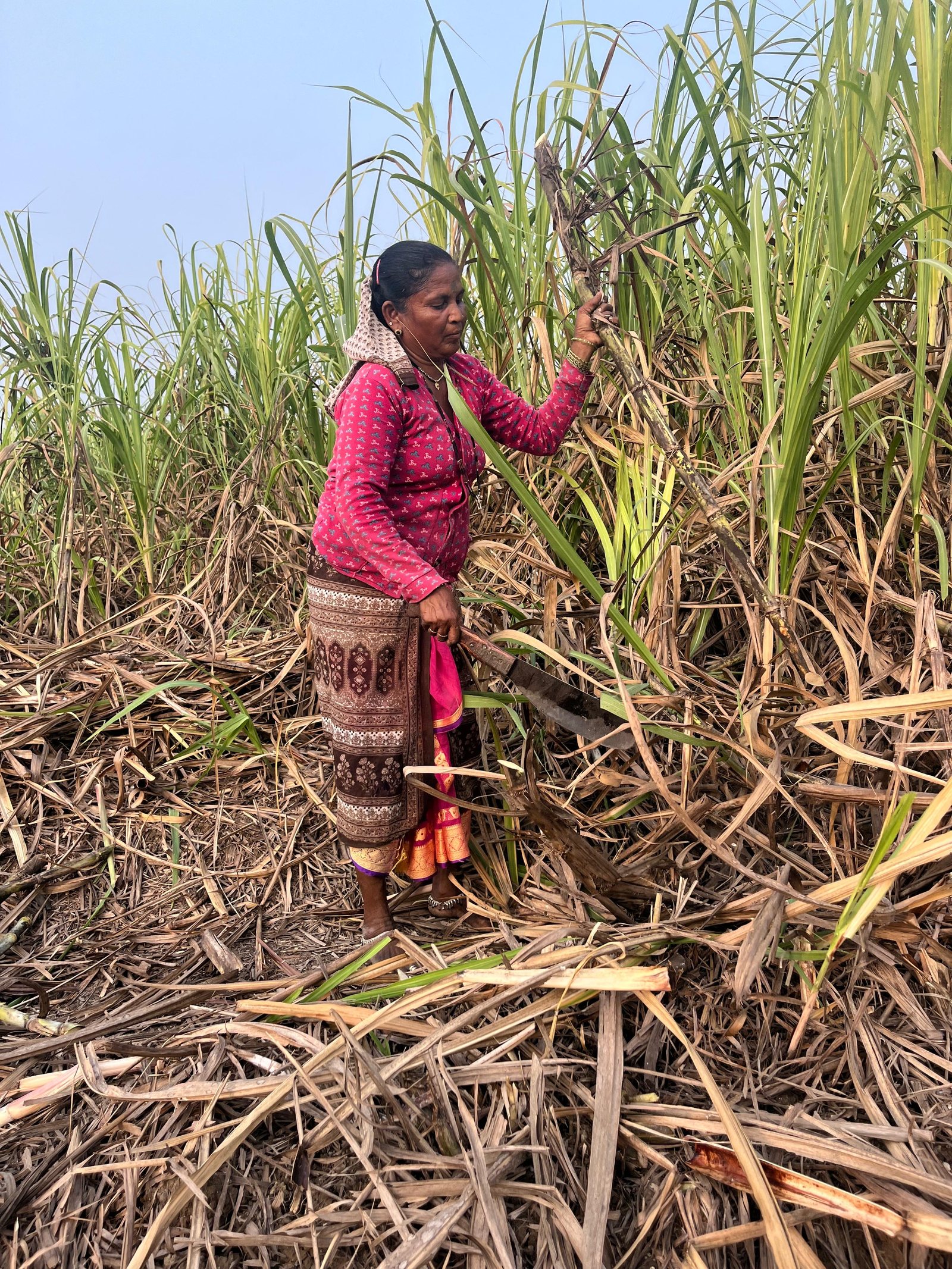
Farm Intelligence System
The quality of food is shaped long before it is harvested. When soil nutrition, water stress, crop health, or disease risks are poorly understood, damage goes unnoticed — and eventually becomes part of the food reaching us. Eagle Eye continuously observes changing farm conditions and helps farmers understand what different areas actually need instead of relying on broad averages.
Six intelligence areas
Moisture, fertility, nutrients, salinity, and soil health
Growth, vigour, chlorophyll, stress, and crop development
Early signs of pests, disease, heat, and water stress
Irrigation, fertiliser, and input requirements
Yield prediction, readiness, and harvest planning
Farm clusters, biodiversity, and wider ecosystem health
Food Verification System
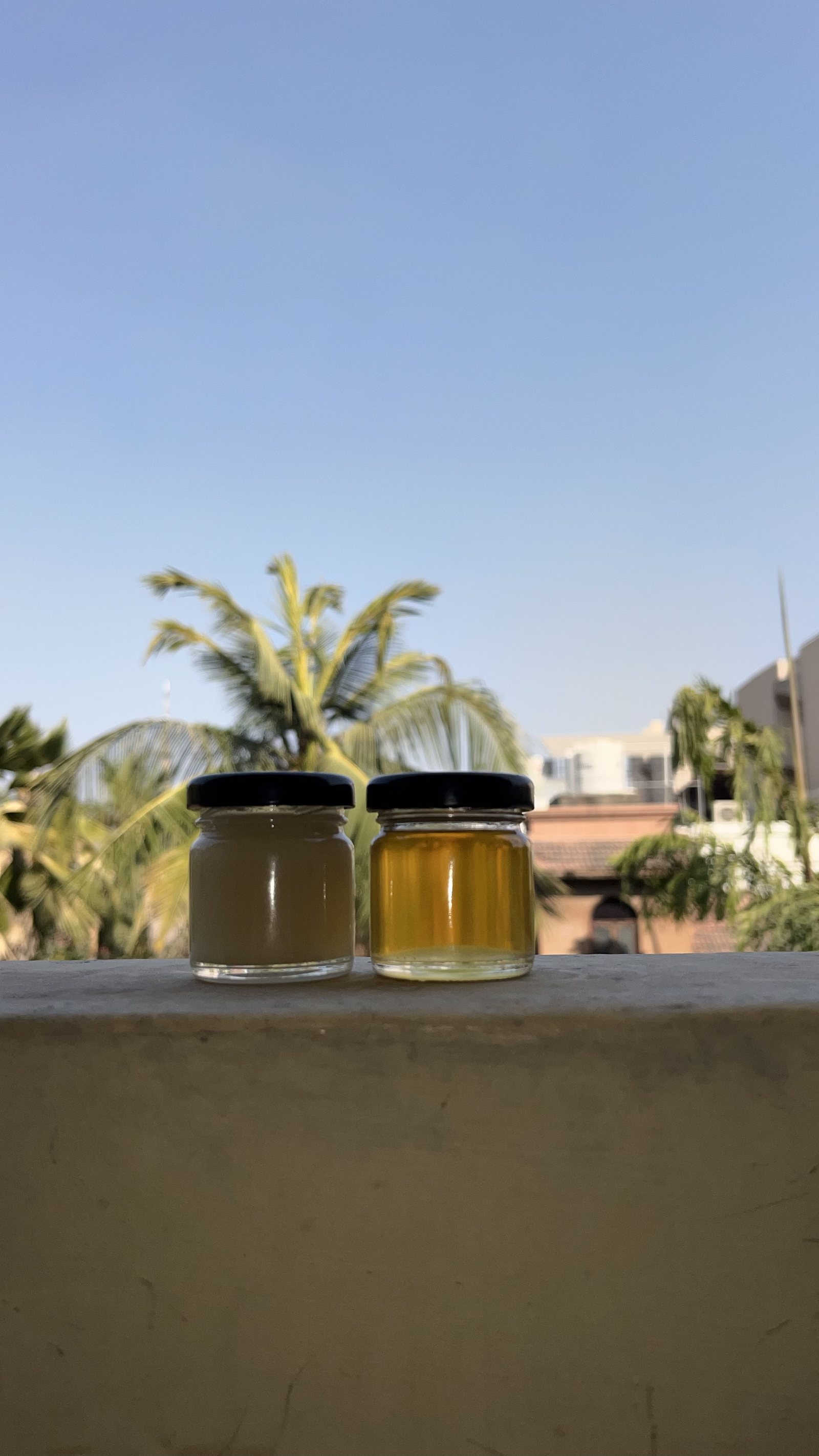
A label tells us how food was grown, but not everything about its actual quality. Two harvests of the same crop can differ greatly depending on the soil, climate, seed, farming practices, and time of harvest. B469 analyses the food itself to measure its nutritional composition, quality, purity, and consistency. It helps identify nutrient-rich produce, compare harvests scientifically, and ensure that better food is recognised and trusted.
Six understanding areas
Composition, nutritional indicators, grading, and consistency
Product identity, origin, and source verification
Natural composition, adulteration, and contamination indicators
Objective and standardised quality assessment
Recognising better produce and enabling quality-based pricing
Linking verification with batches, locations, and harvest history
When the mission matters, almost is not enough
We do not build technology that merely estimates. Every system must deliver precise, validated results because decisions concerning food cannot be based on approximation.
Our technology is designed for real-world conditions. It must withstand adverse environments, require minimal maintenance, and remain simple and accessible for the people using it.
If It Cannot Be Repeated, It Cannot Create Impact. A successful prototype is only the beginning. Whether we build two units or two lakh, every unit must deliver the same quality, calibration, accuracy, and dependable performance.
PAQ’s Data-Driven Governance
Unified intelligence for planning, prioritisation, and timely action.
Policies supported by measurable conditions and real-world outcomes.
Understand what is working and direct resources where they are needed most.
Support crop selection, irrigation, nutrition, input use, and harvest planning.
Monitor production, quality, availability, and emerging supply risks.
Support quality verification, traceability, standards, and market readiness.
Track environmental stress, pollinator health, vegetation, and ecosystem change.
Measure soil carbon, resource use, restoration, and sustainability indicators.
Track changes in farmer income, rural livelihoods, and community outcomes.
Provide evidence for risk assessment, early warnings, losses, and claims.