A representative day showing how pollination, crop observation and beekeeper support fit into the working life of a PAQ farmer.
The day begins before the heat arrives. This is a representative story based on common activities across PAQ field locations. Every farmer, crop and season is different.
At sunrise, the farmer walks through the flowering rows. The first questions are practical: Did irrigation reach the far end? Are new leaves showing stress? Are flowers opening evenly? Is there visible insect activity?
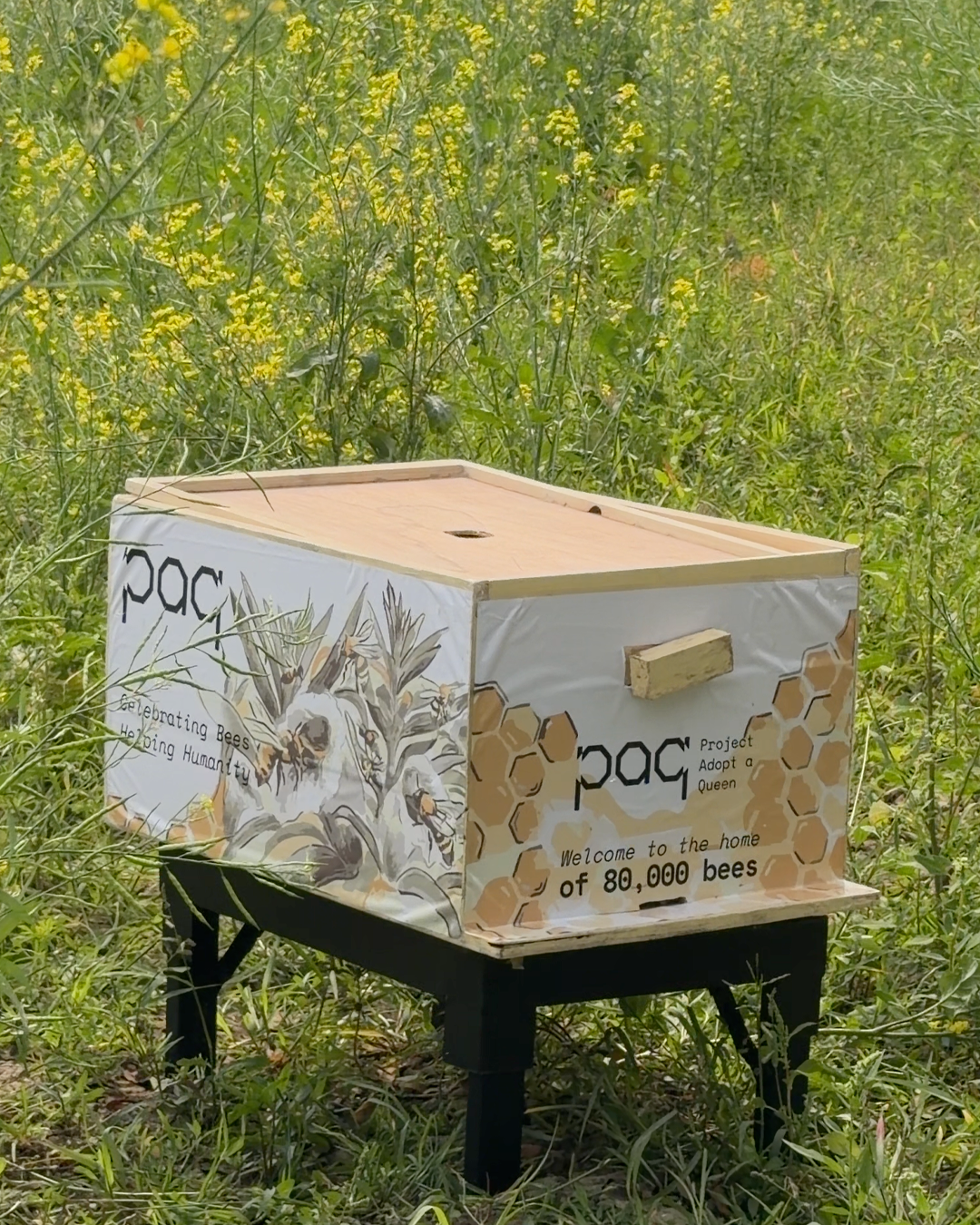
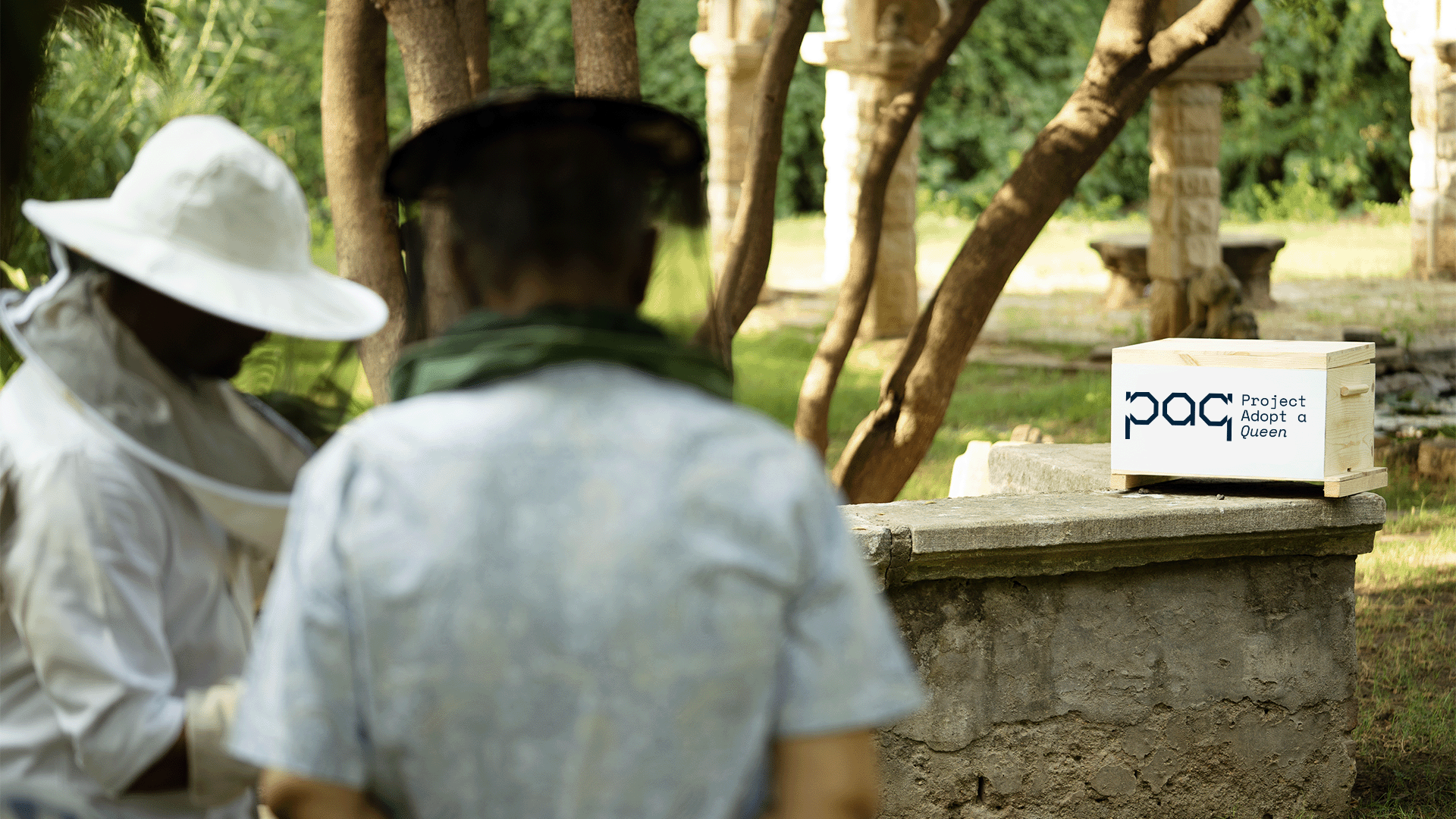
Near the edge of the field, bee colonies have been placed where they receive morning light and some protection from harsh afternoon conditions. The beekeeper checks the entrance without opening every box.
A steady flow of bees carrying pollen is a positive sign. Unusual clustering, low activity or signs of ants need attention.
The farm is observed as a system
Later, the PAQ field team may record crop stage, flowering intensity, weather conditions and hive observations. When technology is deployed, data from hive sensors or farm imaging can add context. A weight change may indicate nectar flow. Temperature and sound patterns may suggest that a colony needs inspection. Crop imagery may highlight an area that looks different from the rest.
The farmer’s knowledge remains central. Data can show where to look; the farmer often knows why the change occurred.
Decisions happen in small windows
A pesticide spray may be postponed until bees are less active. Water may be added near colonies during extreme heat. The beekeeper may adjust shade or move a stressed colony. The farmer may change irrigation or nutrition after field observations.
By evening, the bee traffic slows. The farmer reviews the day in familiar terms: flowers visited, pests observed, work completed and risks remaining. Weeks later, the outcome will appear in fruit set, seed formation and the quality of the harvest.
For a PAQ farmer, the hive is not an object kept on the farm. It is a working partner whose health is connected with the crop.