Saving bees protects pollination, food diversity, wild plants and the rural livelihoods connected to healthy landscapes.
Bees are small enough to be ignored and important enough to change the future of food.
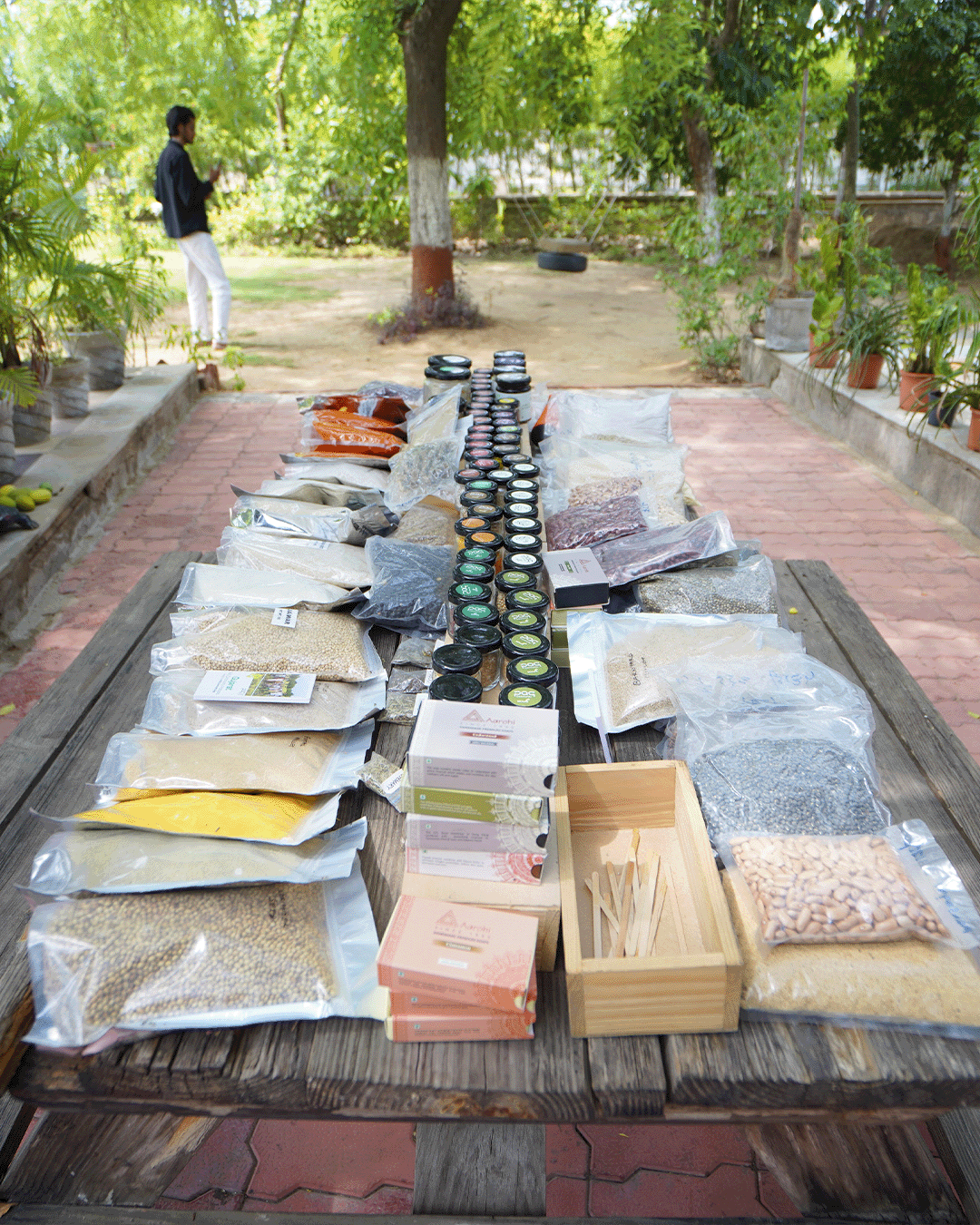
When a bee moves pollen between flowers, it helps a plant form seeds and fruit. Across agriculture, this service supports many crops that make diets diverse: fruits, vegetables, oilseeds, nuts, spices and seeds. The Food and Agriculture Organization reports that pollinators affect about 35 percent of global crop production by volume and improve the output of many leading food crops.
Food is one part of the story
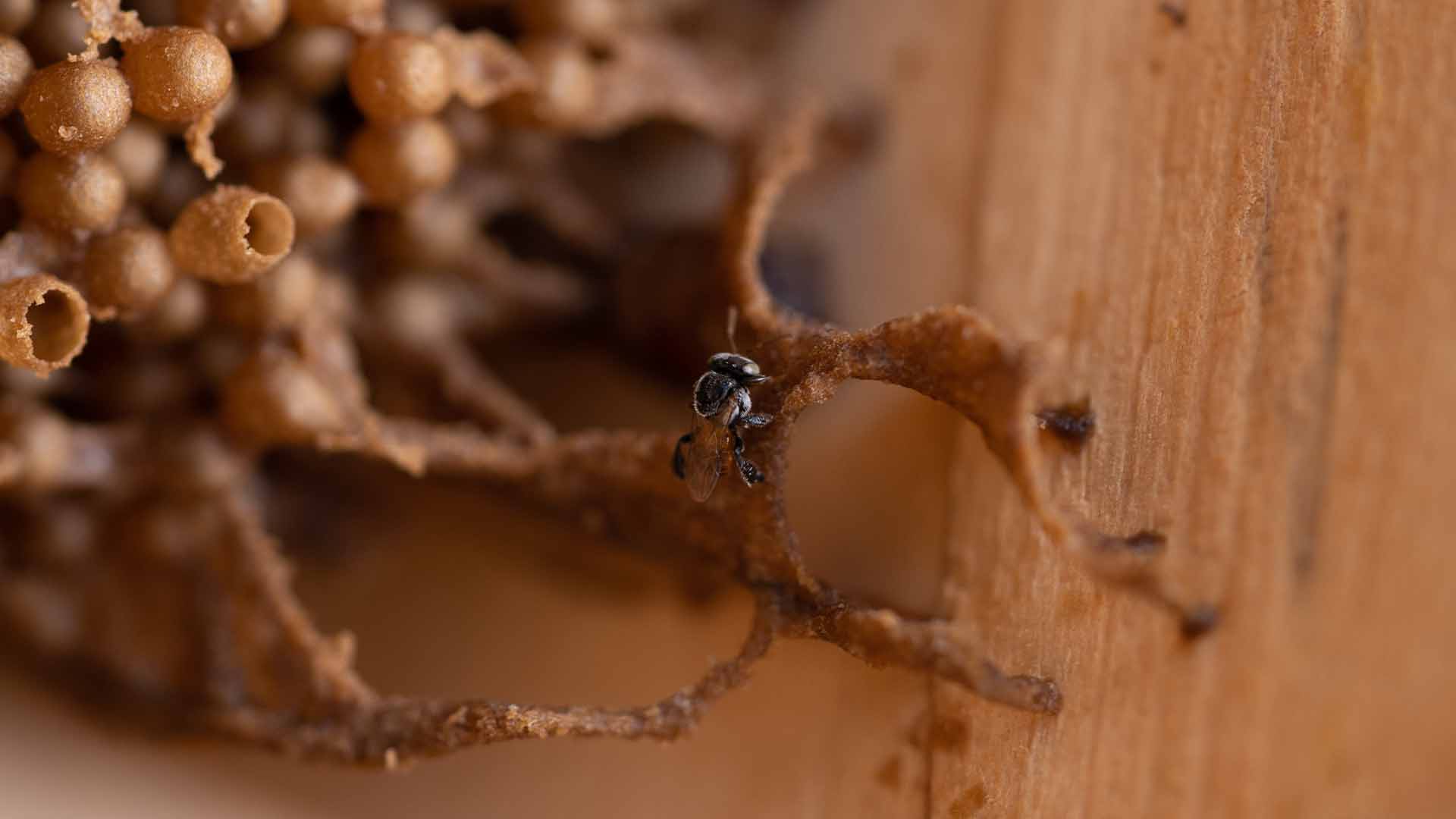
Bees also pollinate wild plants. Those plants provide habitat and food for other insects, birds and animals. When pollinator diversity falls, the impact can travel through an ecosystem. Saving bees therefore means protecting relationships between species, not a single insect in isolation.
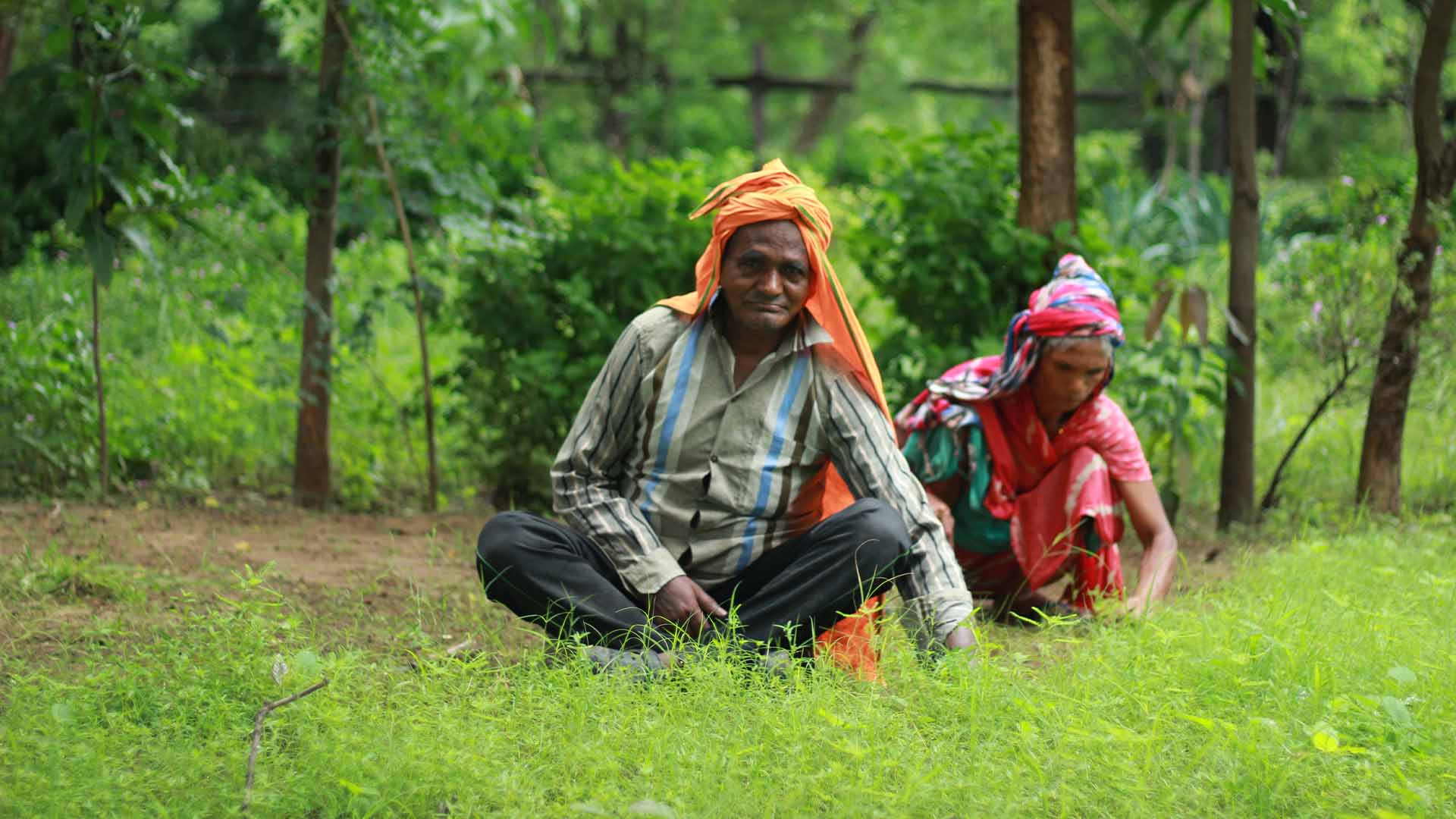
For farmers, reliable pollination can influence fruit set, seed set, shape, uniformity and marketable yield. For beekeepers, healthy colonies create livelihood through pollination services, colony multiplication and responsible hive products.
What puts bees at risk?
Habitat loss, reduced floral diversity, pesticide exposure, poor nutrition, pests, disease, extreme heat and changing rainfall can act together. A colony may survive one stress and fail when several arrive at the same time. Climate change can also shift flowering periods, creating a mismatch between when bees need food and when plants bloom.
Saving bees through better systems
Useful actions include planting regionally suitable flowering species, protecting nesting habitat, reducing unnecessary pesticide exposure, spraying outside peak foraging periods, providing clean water, supporting trained beekeepers and monitoring colonies during extreme weather.
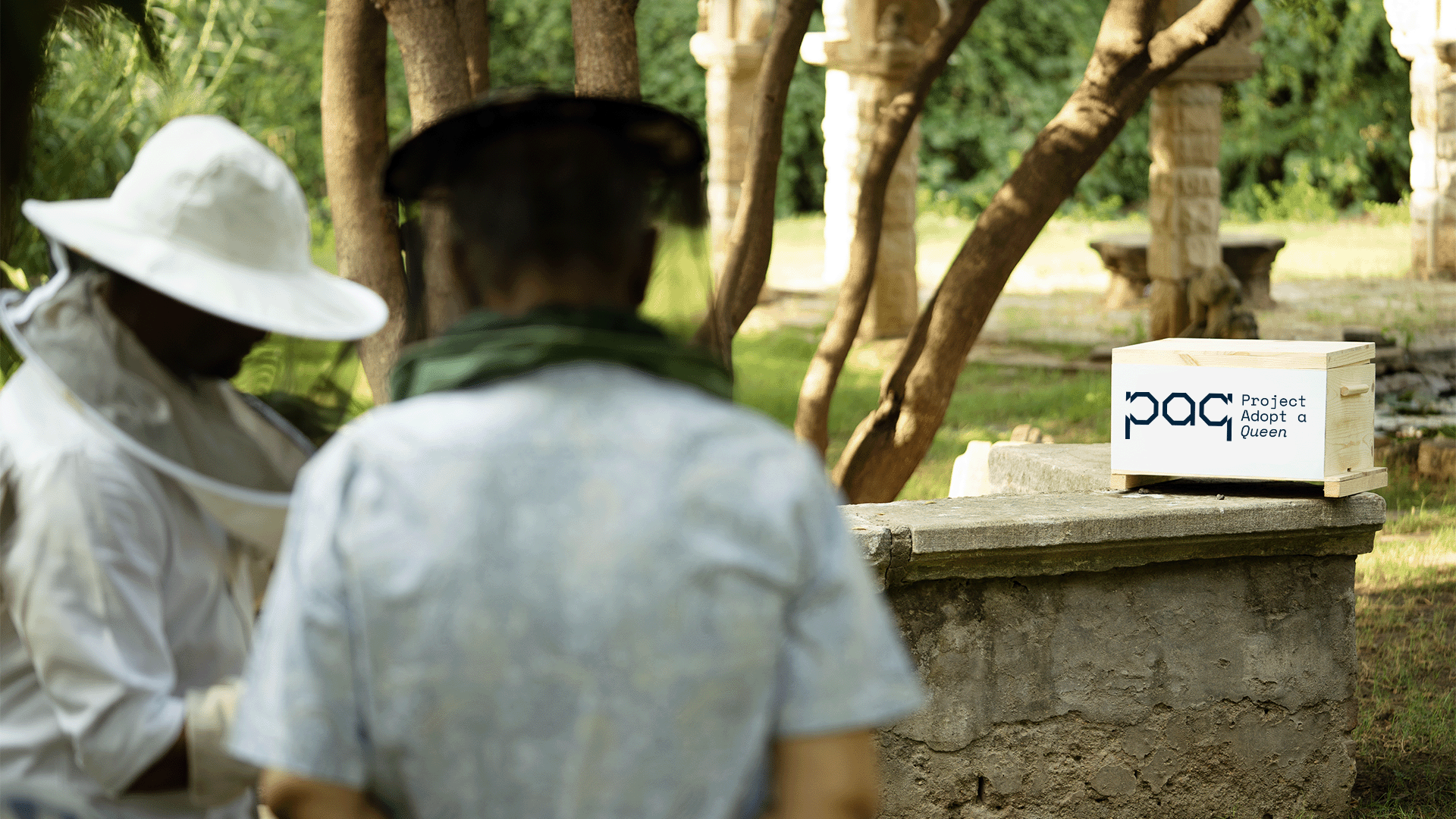
At PAQ, saving bees is connected with adoption, farmer partnerships, technology and community participation. Protection becomes stronger when people can see the hive, understand the farm and stay involved across seasons.