Bees influence the quantity, quality and diversity of food by carrying pollen between flowers and strengthening crop reproduction.
A bee does not know the market price of a fruit. It simply visits the next flower. That movement can influence what eventually reaches the market.
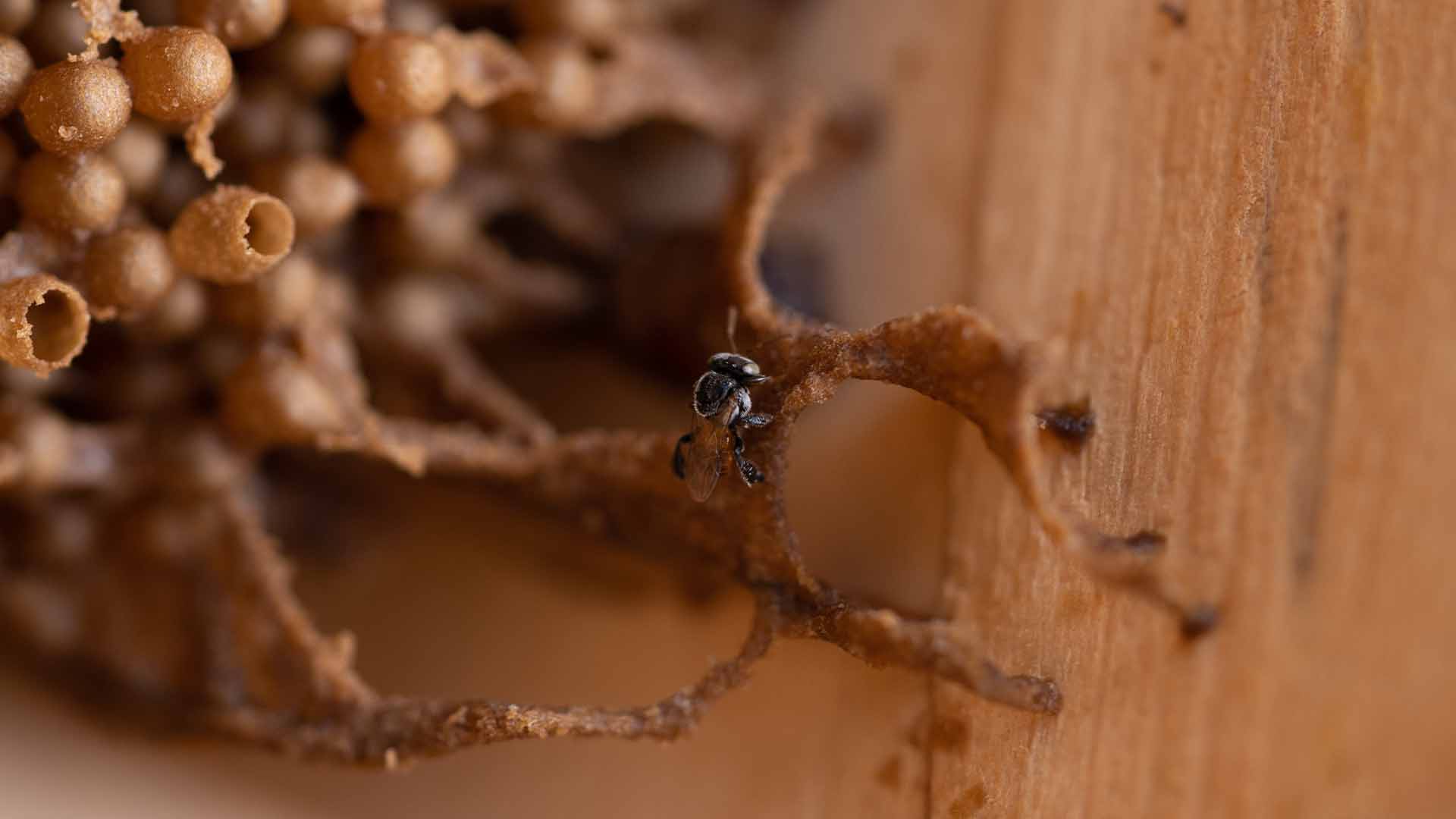
Pollination is the transfer of pollen that allows many plants to reproduce. Some crops depend heavily on insects, while others can self-pollinate but still perform better with insect visits. Bees are especially effective because they deliberately collect pollen and repeatedly visit flowers of the same crop.
From flower to marketable produce
Good pollination can influence whether a flower becomes a fruit, how completely seeds develop and how evenly a fruit grows. Depending on the crop, this may support size, shape, weight, uniformity, shelf performance or total yield. In seed crops, pollination can determine seed number and viability.
The value is visible across orchards, vegetables, oilseeds, spices, nuts and many seed-production systems. FAO estimates that pollinators affect roughly 35 percent of global crop production by volume and enhance the output of 87 of the world’s 115 leading food crops.
Food diversity depends on pollinators
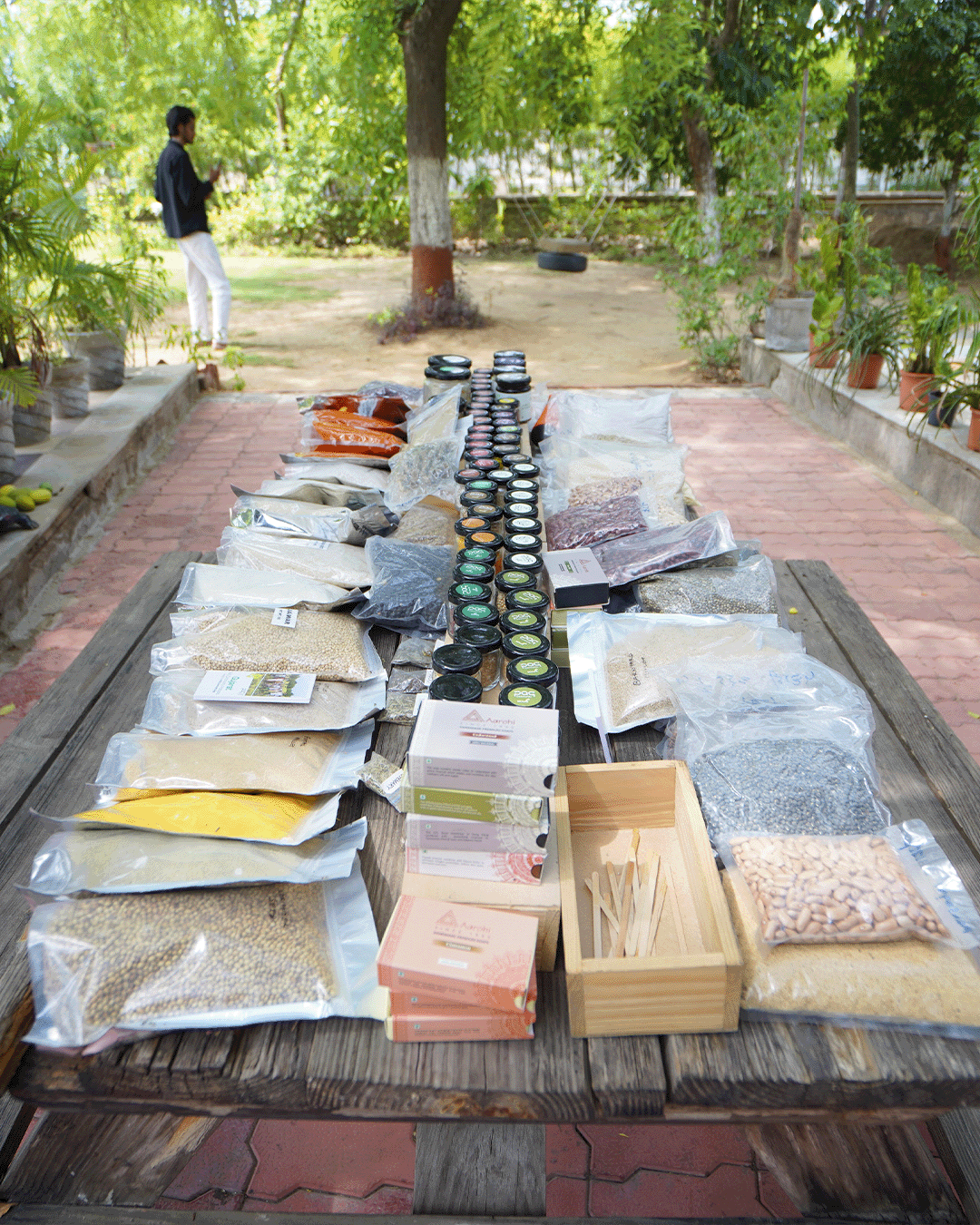
Staple grains provide much of the world’s calories, yet many nutrient-rich foods rely partly on animal pollination. Fruits, vegetables, nuts and oilseeds contribute vitamins, minerals, healthy fats and dietary variety. A decline in pollination can therefore affect the diversity and nutritional quality of food systems.
Pollination must be managed
Placing a hive near a farm is not enough. Colony strength, crop stage, number of colonies, weather, competing flowers, pesticide timing and hive location all influence results. Wild and native pollinators also matter, and farms benefit when they retain flowering borders and nesting habitat.
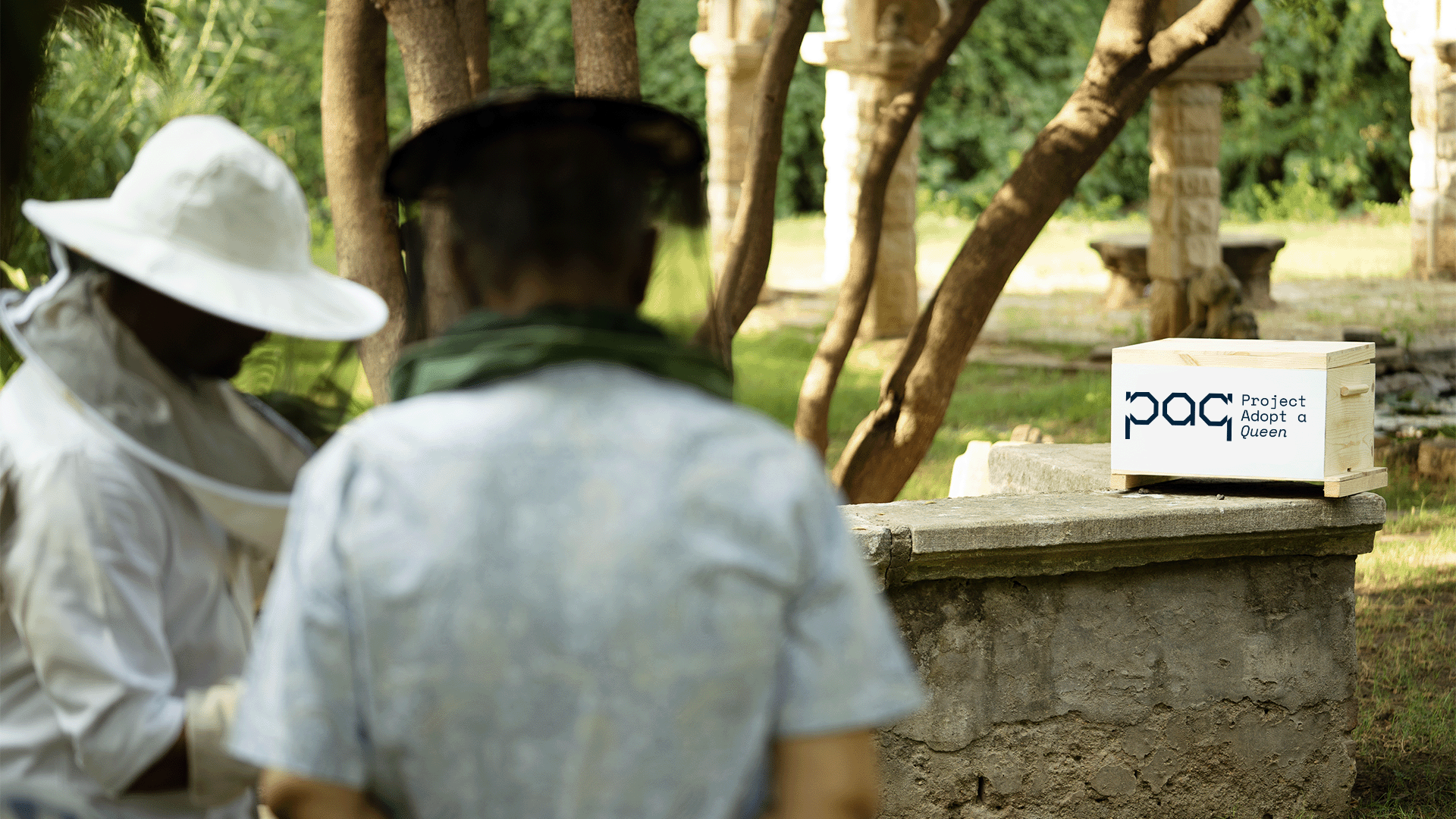
At PAQ, the aim is to connect managed colonies, farmer knowledge, field observation and technology so pollination becomes a planned agricultural input rather than an accidental benefit.