India has strong bee diversity, crop potential and policy support. The next chapter depends on scientific management, pollination services, quality and data.
India has the crops, climates, biodiversity and rural workforce to become a global leader in beekeeping. The opportunity now is to define beekeeping by its full value.
For years, the sector has often been discussed through honey production. Honey is important, but the larger economic contribution of bees comes from pollination. Bees support the reproduction of many fruit, vegetable, oilseed, spice and seed crops, helping farms produce marketable yield and supporting plant diversity.
A sector with national recognition
The Government of India has promoted scientific beekeeping through the National Beekeeping and Honey Mission and the National Bee Board. The policy direction recognises beekeeping as a source of income, employment, quality hive products and agricultural support.
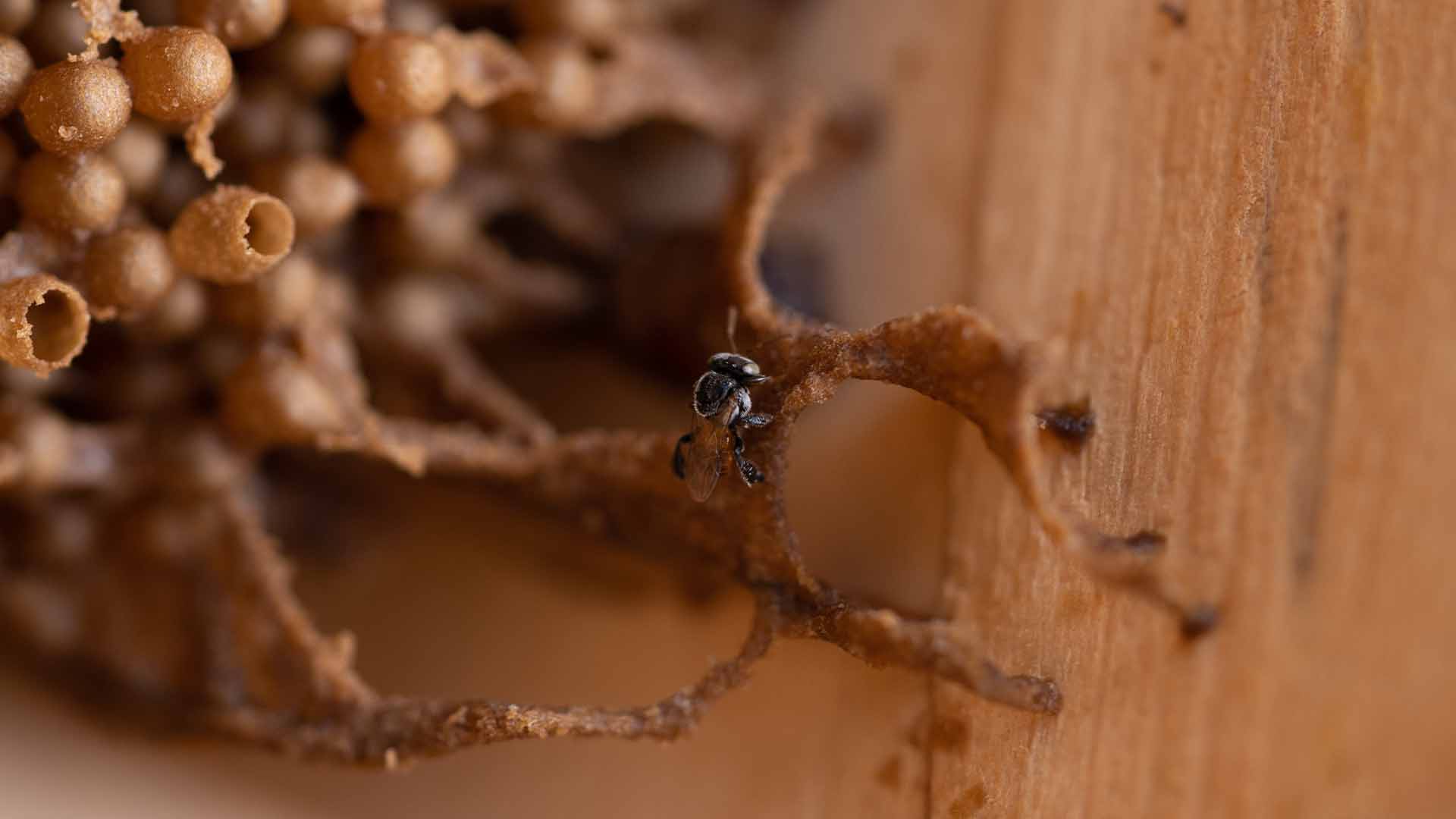
India also works with several honey bee species and systems, including Apis mellifera, Apis cerana indica, the rock bee Apis dorsata, the little bee Apis florea and stingless bees in suitable regions. This diversity is a strength, but it requires species-appropriate management rather than one standard model everywhere.
The gaps that still matter
The sector faces practical constraints: uneven access to trained beekeepers, colony losses, pesticide exposure, unreliable forage, extreme heat, migration challenges, disease and pest pressure, inconsistent quality, weak traceability and limited recognition of pollination as a paid agricultural service.
Many farmers receive bees only when a beekeeper is chasing a honey flow. A stronger system would plan colonies around crop calendars and measure benefits for both the farm and the colony.
The next phase
India’s next beekeeping chapter can combine local knowledge with real-time monitoring, organised pollination clusters, beekeeper training, native bee conservation, responsible honey extraction and rapid quality screening. Better data can help teams understand when colonies are stressed, where forage is available and how field outcomes change.
The future of Indian beekeeping will be strongest when honey, pollination, livelihoods, biodiversity and technology are treated as connected outcomes.