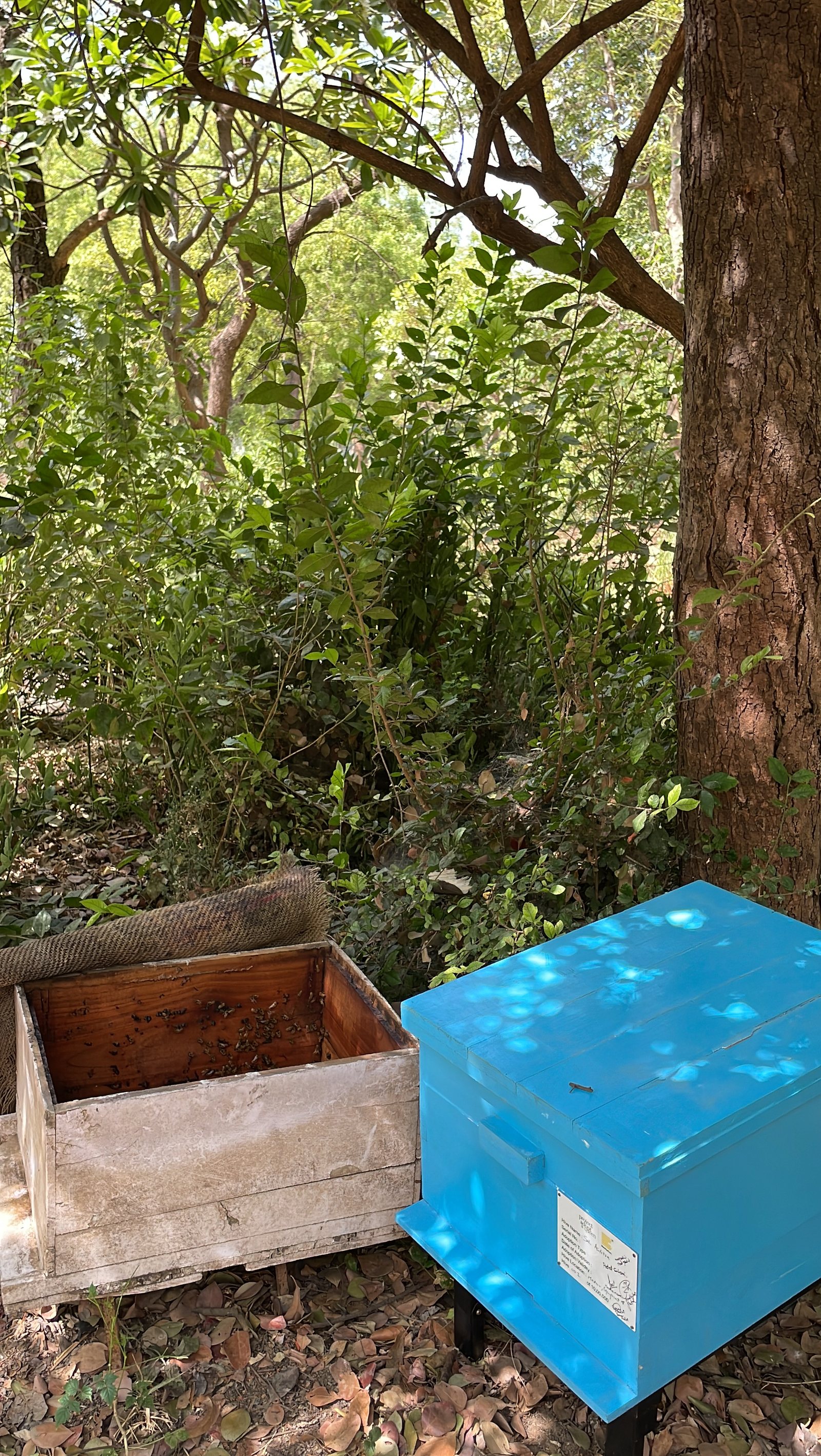
Farmers near beehives often observe that crops perform differently — better fruit set, seed density, uniformity and total marketable volume.
How the measurement works
Comparing pollinated and control plots, tracking fruit set percentages and measuring harvest output across multiple seasons gives a clearer picture of what managed pollination contributes. PAQ field teams collect this data as part of the monitoring process.
What affects the result
Pollination outcomes depend on colony strength, timing of hive placement relative to flowering, weather conditions during bloom and density of foragers visiting the crop.
Building the evidence base
India currently has limited field data on pollination outcomes across its major crops and regional conditions. PAQ's monitoring work is part of building that evidence base — not to make universal claims, but to understand what works under specific conditions and improve practice accordingly.