From stingless bees in warm Gujarat to Apis cerana in Himalayan landscapes, local bee strategies must respect species and place.
A bee that thrives in one landscape may struggle in another. Conservation begins by understanding place.
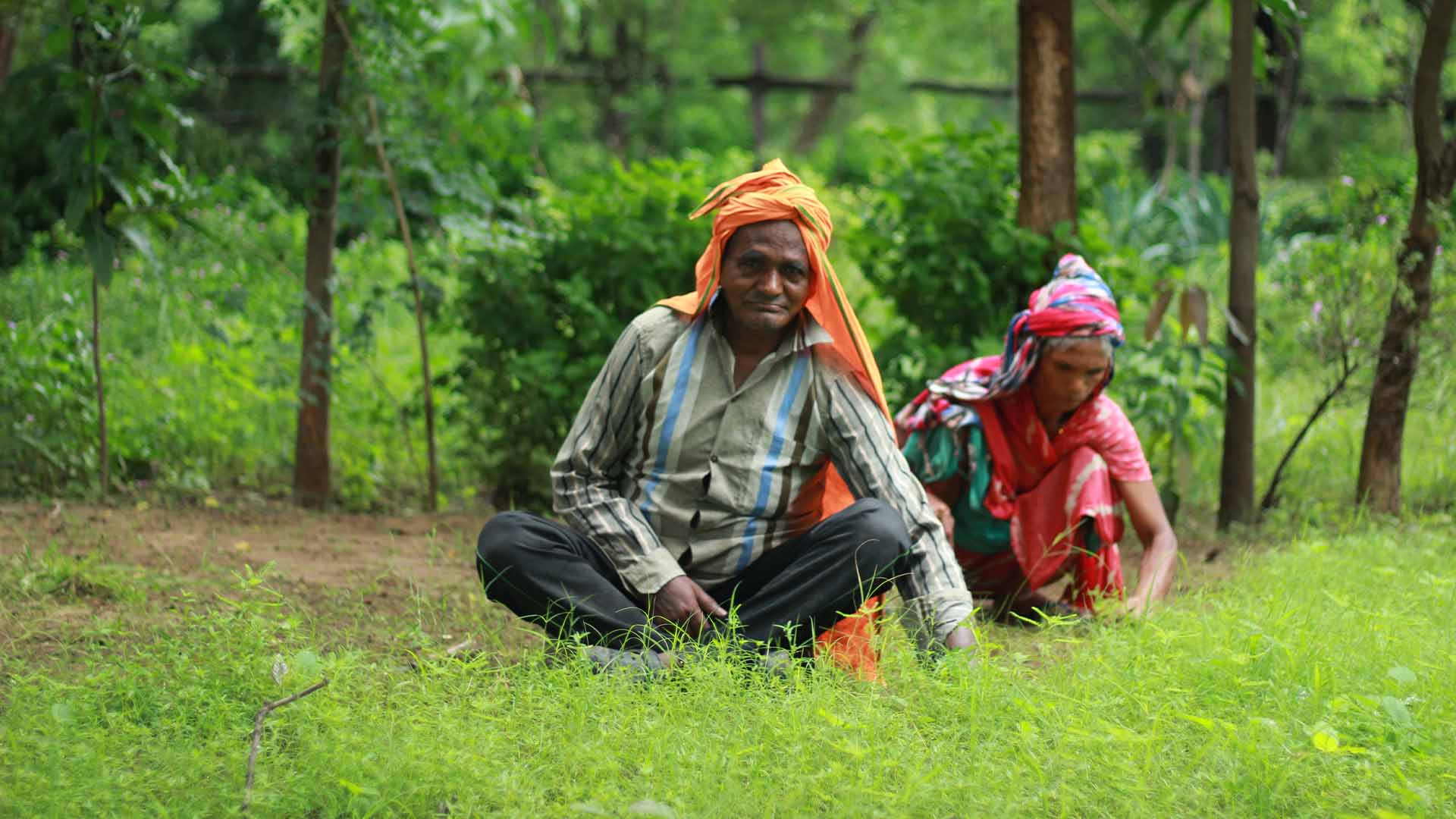
Gujarat and Uttarakhand offer very different climates, flowering patterns and farming systems. PAQ’s work across these regions highlights why bee programmes must be designed around local ecology rather than a single universal hive.
Gujarat: small bees, close observation
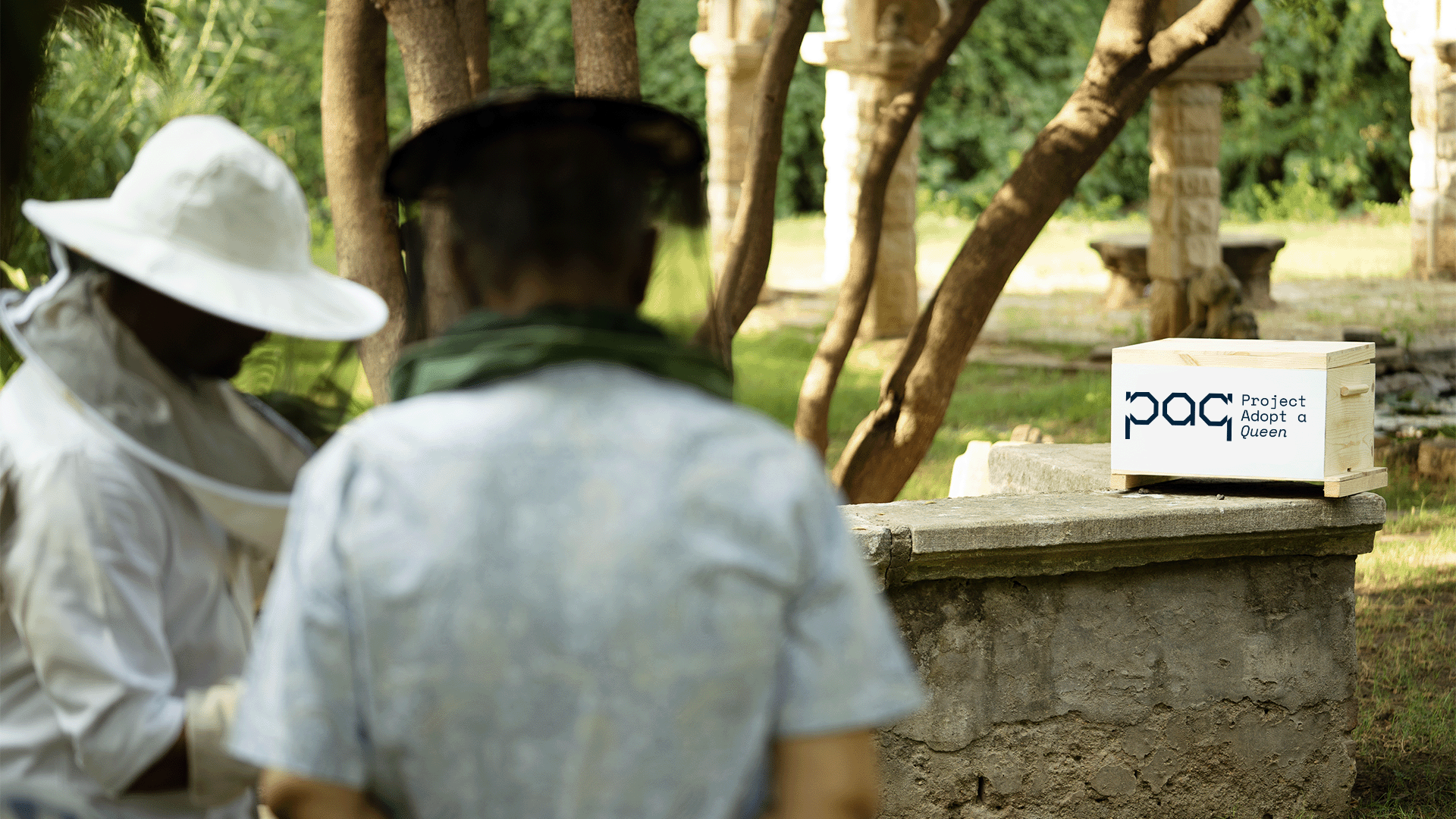
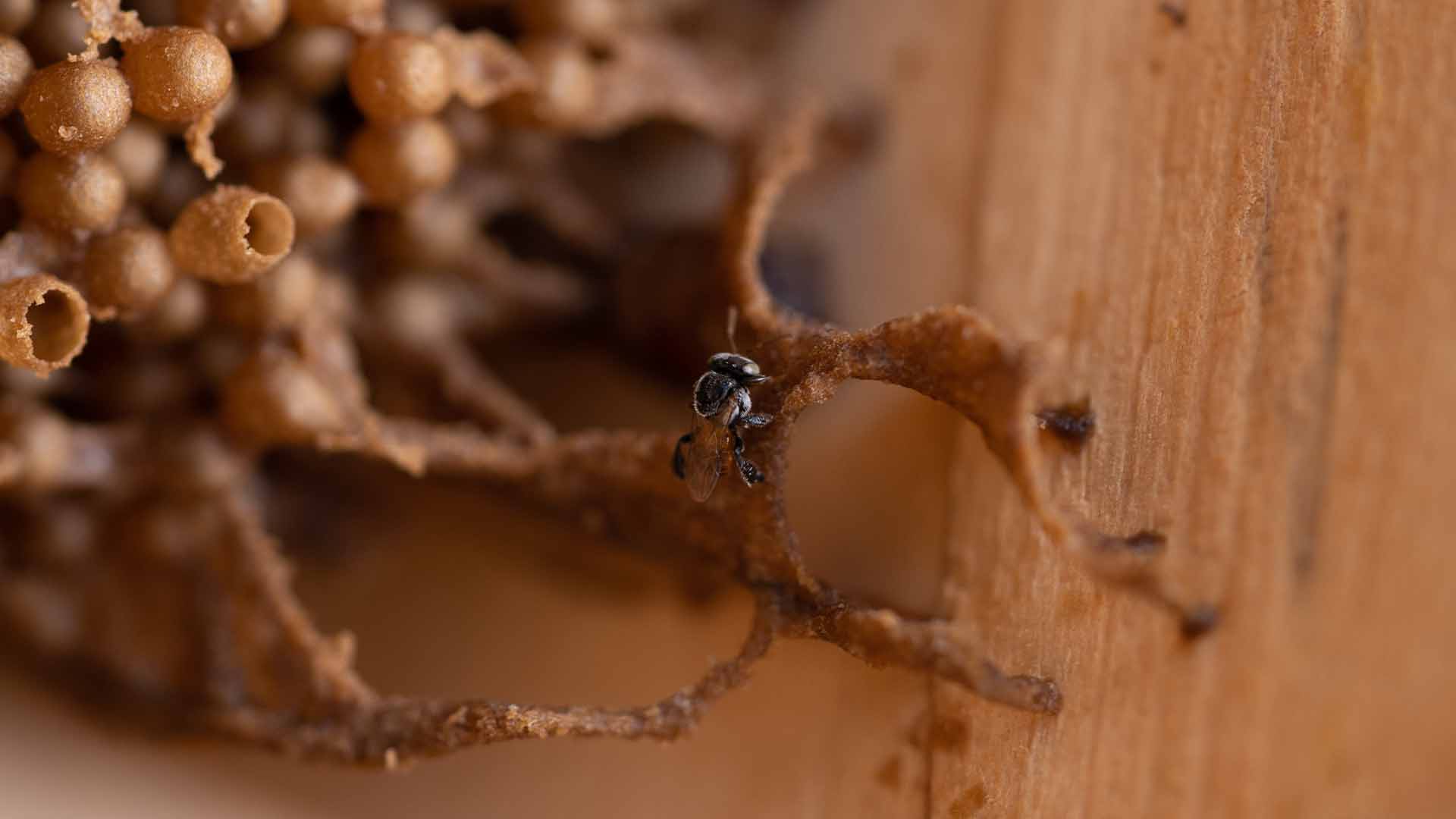
In suitable parts of Gujarat, stingless bees can live in protected cavities and compact boxes. They have a greatly reduced functional sting and can be observed in schools, institutions, gardens and some urban settings with appropriate management. Colonies are smaller than common honey bee colonies and produce limited honey, so their primary value should be understood through pollination, education and biodiversity.
Gujarat also supports wild bees such as Apis dorsata and Apis florea, alongside managed Apis mellifera in agricultural pollination systems. Wild colonies should be protected in place and never treated as easily transferable managed stock.
Uttarakhand: the Indian hive bee
Apis cerana, often called the Indian or Asian hive bee, is closely associated with hill beekeeping across the Himalayan region. It can be managed in local conditions and supports mixed farms, orchards and forest-linked floral cycles. Traditional knowledge remains valuable, especially around seasonal colony behaviour, local hive designs and forage.
Mountain environments also contain diverse bumblebees and solitary bees that contribute to pollination at elevations and temperatures where species respond differently.
One principle across both states
Protect nesting sites, grow diverse local forage, reduce pesticide risk and match the species to the landscape. Managed honey bees can support farms, but they should complement the wider pollinator community.
The future of bee conservation is regional: local species, local knowledge and locally appropriate management, connected through shared learning.