Fennel Fields of Gujarat and Apis mellifera in a Changing Winter
Community · Field Notes · 5 min read
A field note from Gujarat’s fennel landscape on honeybee pollination, shifting winter conditions and the need for adaptive hive management.
When fennel begins to flower, a field of fine green leaves changes into a landscape of yellow umbels. For a bee colony, it can become a concentrated season of work.
A crop landscape built around small flowers
Fennel is an important rabi spice crop in Gujarat, especially in the northern production belt. Its flowers are arranged in umbels made up of many small florets. To the human eye, the field looks delicate. To pollinating insects, it is a large network of nectar and pollen opportunities.
Research on fennel has shown that insect visitation, including managed honeybee pollination, can improve seed set and other yield characteristics compared with pollinator exclusion. The lesson for farmers is larger than honey production: the colony’s main economic value during flowering may be the pollination service taking place across the crop.
Apis mellifera enters a seasonal contract with the field
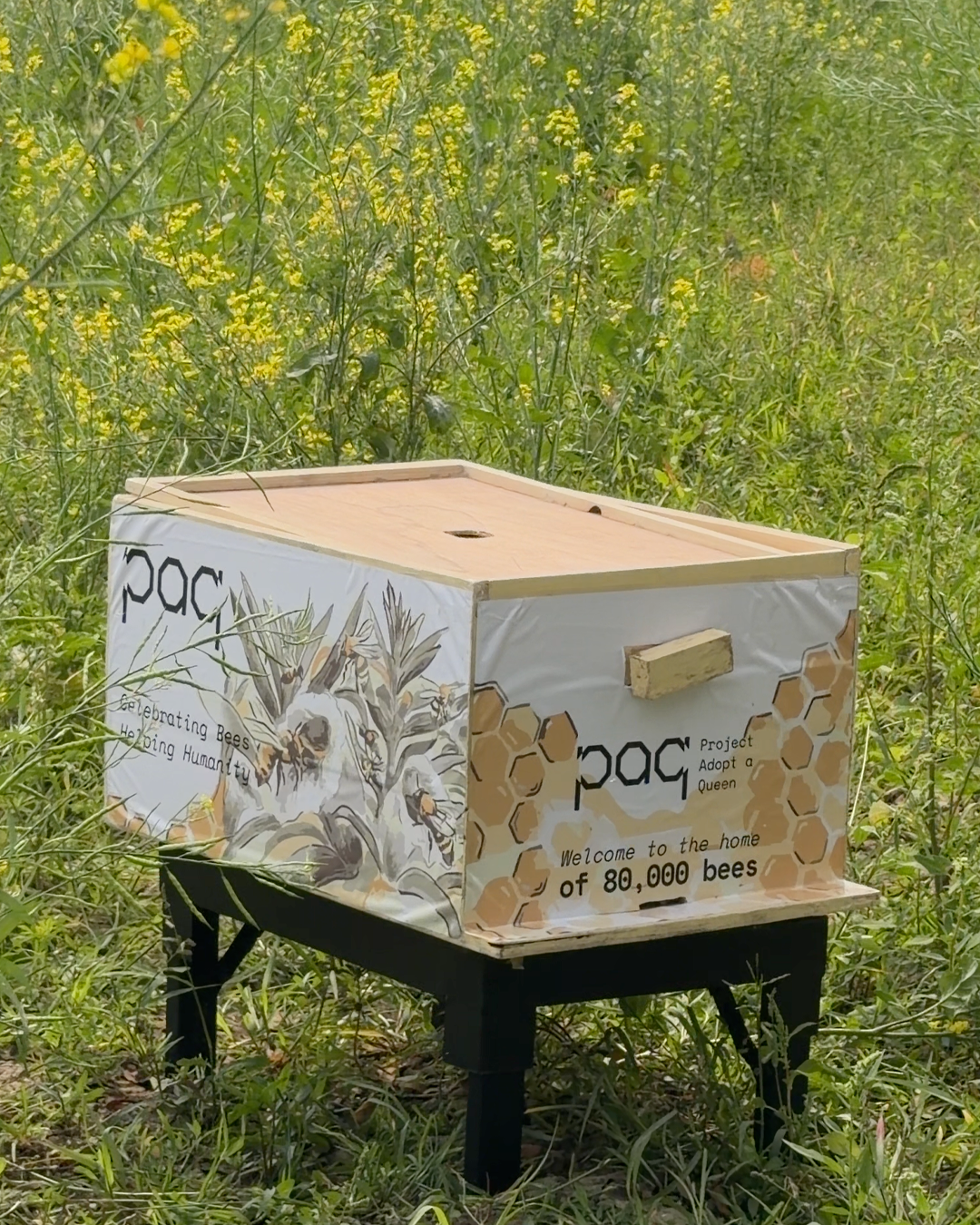
When managed Apis mellifera colonies are placed near flowering fennel, the relationship depends on timing. Colonies must arrive when a meaningful proportion of flowers is open. They need sufficient strength, a healthy queen and enough adult foragers. Placement must allow access without obstructing farm operations, and pesticide decisions must be coordinated so that bees are not exposed during active flight.
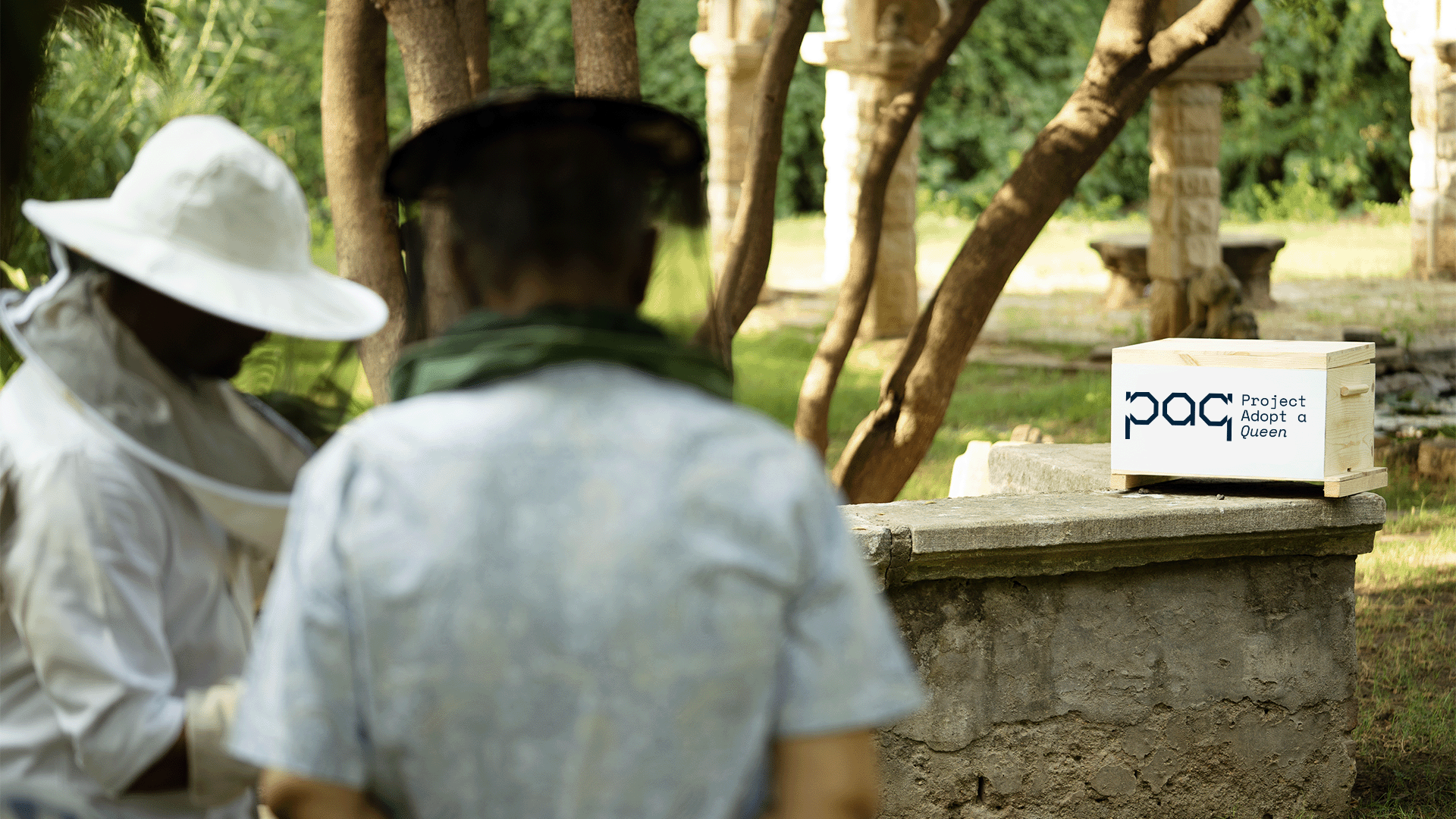
The farmer provides a flowering landscape. The bees move pollen among flowers. The beekeeper protects and manages the colony. Each participant depends on the others completing their role during a narrow window.
Winter is becoming less predictable
Fennel and honeybees are both shaped by temperature. A warmer spell may accelerate flowering or change the hours during which nectar is available. Cold, wind or fog can shorten the daily foraging window. Sudden rain can interrupt flight and damage flowers. A colony may begin brood rearing based on one pattern and then encounter a forage gap when the weather changes.
The concern is not that every warm winter will produce the same outcome. It is that past calendars become less reliable. A beekeeper who moved colonies on a fixed date may now need to follow crop stage, weather and actual bee activity. A farmer who planned a spray on the assumption that bees would be inactive may find that the warm afternoon has brought them back into the field.
The field can be read through multiple signals
Visual observation remains the starting point: the percentage of open umbels, bee visits per minute, pollen carried by returning workers and changes in the colony entrance. Hive data can add continuity. Weight can show whether resources are entering the colony. Internal temperature can indicate the stability and effort of the colony. Acoustics can capture shifts in collective activity. Local weather explains whether a quiet hive is experiencing stress or simply waiting for suitable flight conditions.
Over multiple seasons, these observations can help build a more precise floral calendar for a district rather than depending on one date for the entire state.
Pollination must be managed as farm infrastructure
A hive should not arrive as a last-minute box placed beside a crop. Effective pollination requires colony preparation, transport, farmer consent, safe placement, water, pesticide communication and a plan for the next floral source after fennel ends.
The changing winter makes this discipline more important. It asks farmers and beekeeper to replace fixed assumptions with shared observation.
In the fennel fields of Gujarat, Apis mellifera is not simply collecting a seasonal honey. It is participating in the formation of the next seed crop. Protecting that relationship is part of building a more resilient spice economy.
Next step
Work with PAQ to design monitored pollination clusters for fennel and other flowering crops.
Adopt a queen →