How PAQ Is Advancing Beehive Technology in India’s Biodiverse Conditions
Technology · Field Research · 6 min read
Why beehive technology in India must adapt to species, climate, crops, altitude and connectivity rather than depend on one universal model.
India is not one operating environment. A beehive technology that works in a dry farm cluster may behave differently in a humid orchard, a Himalayan village or an urban stingless-bee site.
The real test of technology is variation
Bee-monitoring systems are often described through sensors and dashboards. In the field, their hardest challenge is variation. Temperatures can move from extreme summer heat to cold hill winters. Humidity, rain, dust, power availability and connectivity change by location. Hive sizes, bee species, beekeeper practices and crop calendars also differ.
A device may record perfectly and still produce poor decisions if it has been calibrated for the wrong colony or climate. PAQ’s work begins with this reality: technology for living systems must learn from place.
One reading can have many meanings
A fall in hive weight might show foragers leaving in the morning, food consumption during a dearth period, a colony disturbance or a technical problem with the stand. A temperature rise might be normal brood regulation, external heat, crowding or a pre-swarming pattern. A sound change might reflect bee behaviour or simply wind and machinery.
The response cannot be a universal alert written in advance. Reliable interpretation requires multiple signals, weather context, inspection notes and region-specific baselines.
The PAQ approach: monitor, compare, validate
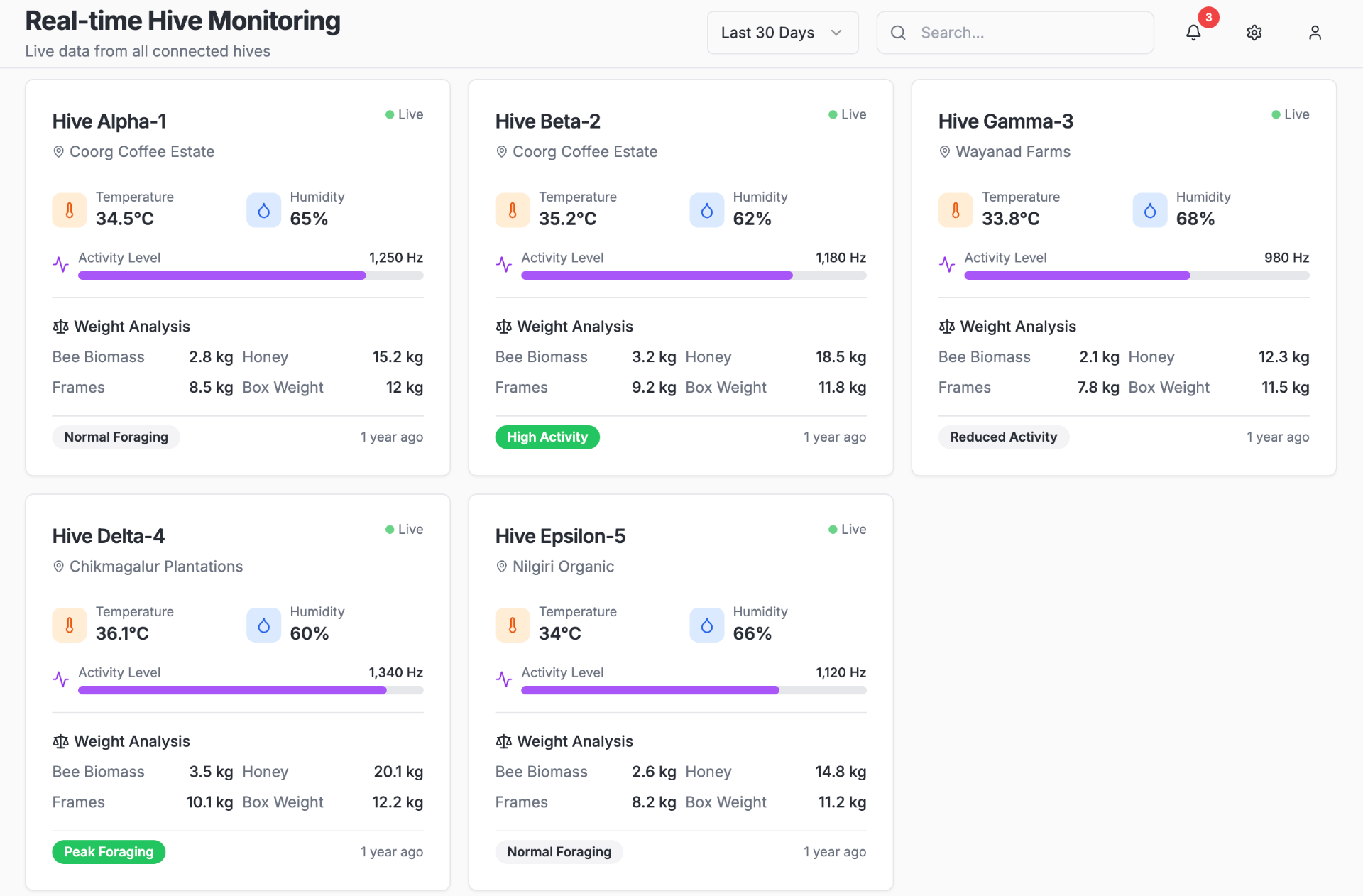
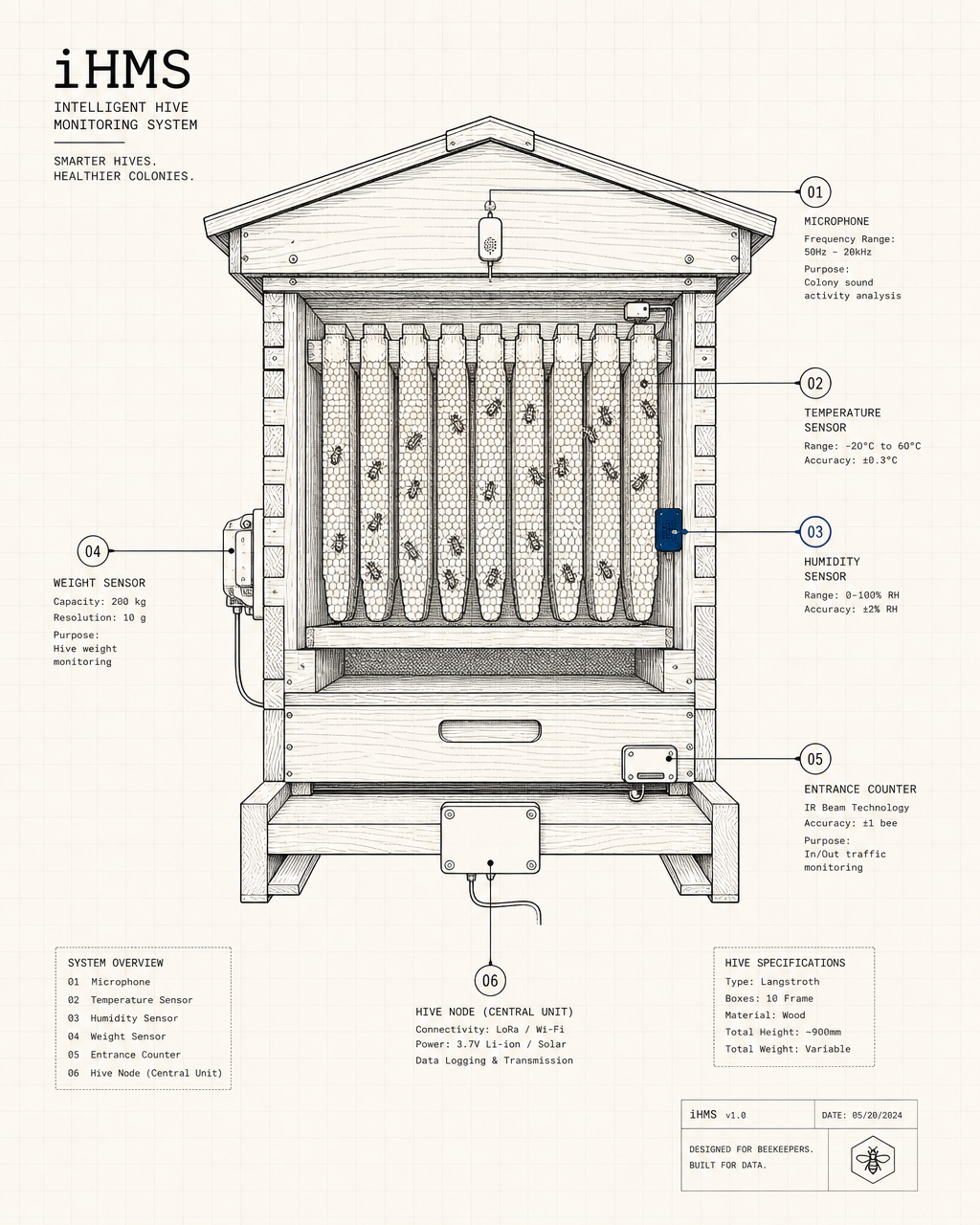
PAQ’s Integrated Hive Monitoring System is designed around temperature, humidity, weight and acoustics. These signals are collected because they describe different parts of colony life: microclimate, ventilation, resource movement and collective activity.
The next step is comparison. What does a healthy day look like for this species, in this box, at this site and during this flowering period? How does the same colony behave during heat, rain, migration or a forage gap? What changes before an experienced beekeeper notices visible stress?
The final step is validation. Data must be matched with hive inspections, photographs, beekeeper observations and farm conditions. A model becomes useful only when it repeatedly helps a field team make a better decision.
Technology must fit the beekeeper’s reality
Advanced monitoring is valuable only when it remains usable. Equipment must tolerate dust, moisture and movement. Power consumption must be practical. Data transmission should account for weak connectivity. Alerts must be understandable and prioritised; a beekeeper cannot respond to dozens of vague notifications.
PAQ therefore treats the dashboard as a field tool, not a display of every available number. The objective is to surface what needs attention: unusual heat, rapid resource change, possible disturbance or a colony whose pattern has moved away from its own baseline.
From the hive to the wider farm system
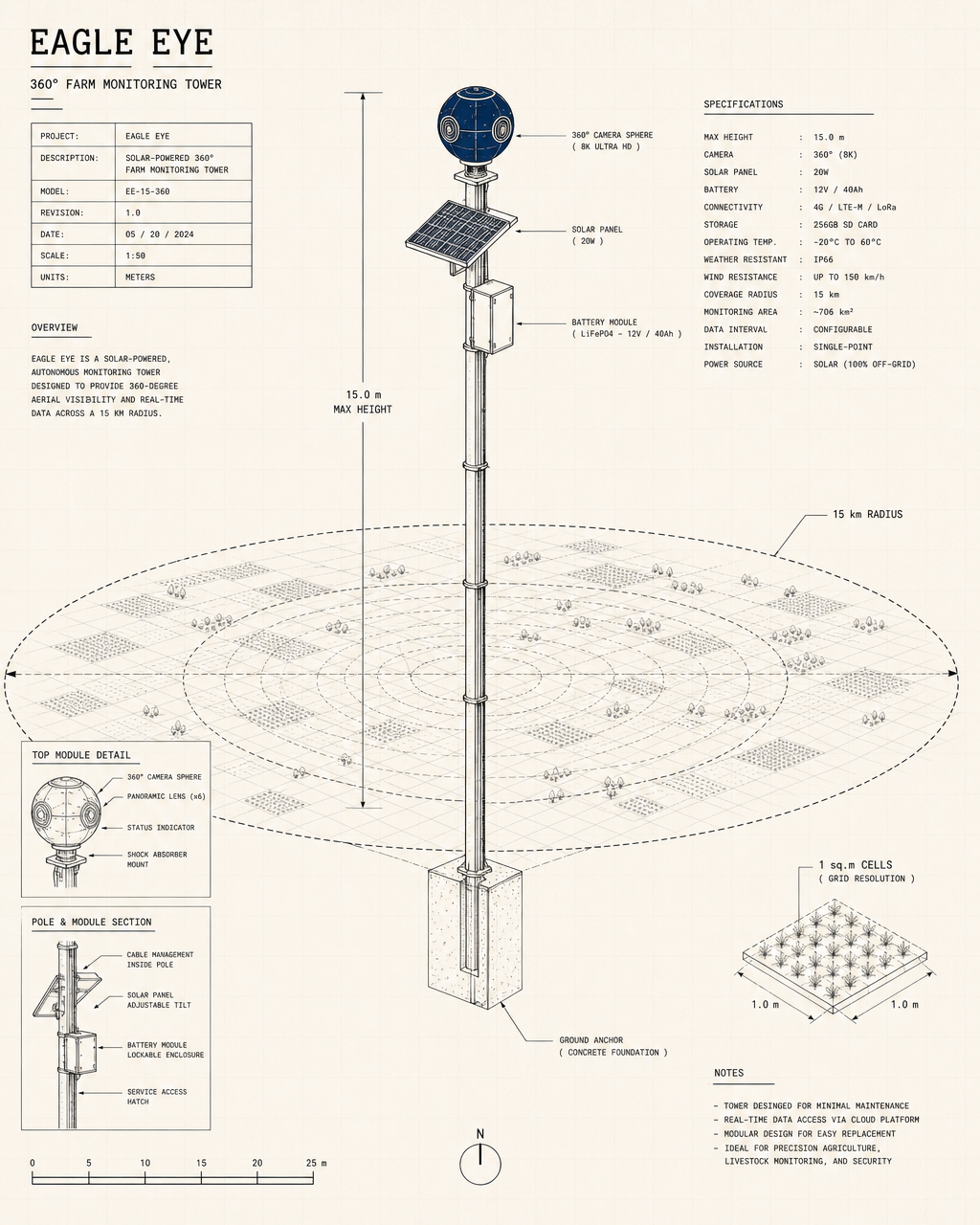
Beehive intelligence becomes stronger when it is connected to the landscape. PAQ’s wider technology work considers the farm environment through Eagle Eye and the quality of produce through B469. The three layers ask connected questions: What is happening inside the colony? What is happening across the crop? What is the quality and identity of what finally reaches the market?
This creates a research pathway from pollinator health to crop conditions and fairer, more traceable value chains. It is still a pathway under development, and the responsible approach is to publish what has been validated while keeping experimental claims clearly labelled.
India can become the testing ground for better biological intelligence
India’s diversity makes development difficult, but it also makes the learning valuable. A system that is tested across heat, humidity, altitude, multiple bee species and different farming practices can become more robust than one built in a uniform environment.
PAQ is advancing beehive technology by staying close to the hive, the beekeeper and the farmer. The ambition is not a device that claims to know everything. It is a field intelligence system that becomes more useful with every responsibly documented season.
Next step
Partner with PAQ on multi-location validation of hive monitoring across India’s climatic zones.
Adopt a queen →