A student’s field diary from a day of meeting bees, farmers, technology and the real systems behind food.
Today, the word ‘pollination’ stopped being a chapter in a textbook.
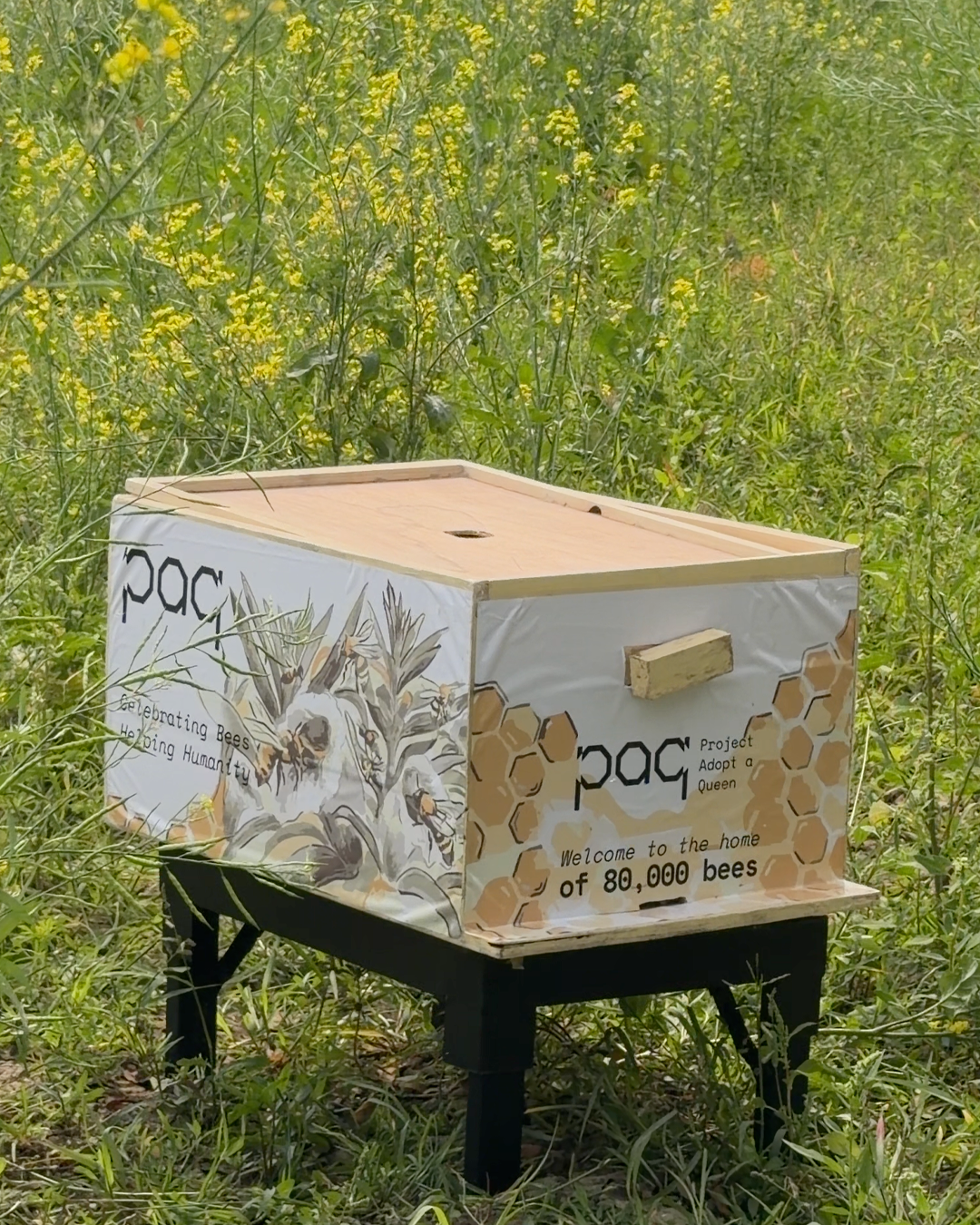
We began near a stingless bee colony. The entrance was so small that I almost missed it. Bees moved in and out without the dramatic buzzing I expected. Our guide explained that different bee species need different homes, climates and management. Conservation cannot mean placing the same hive everywhere.
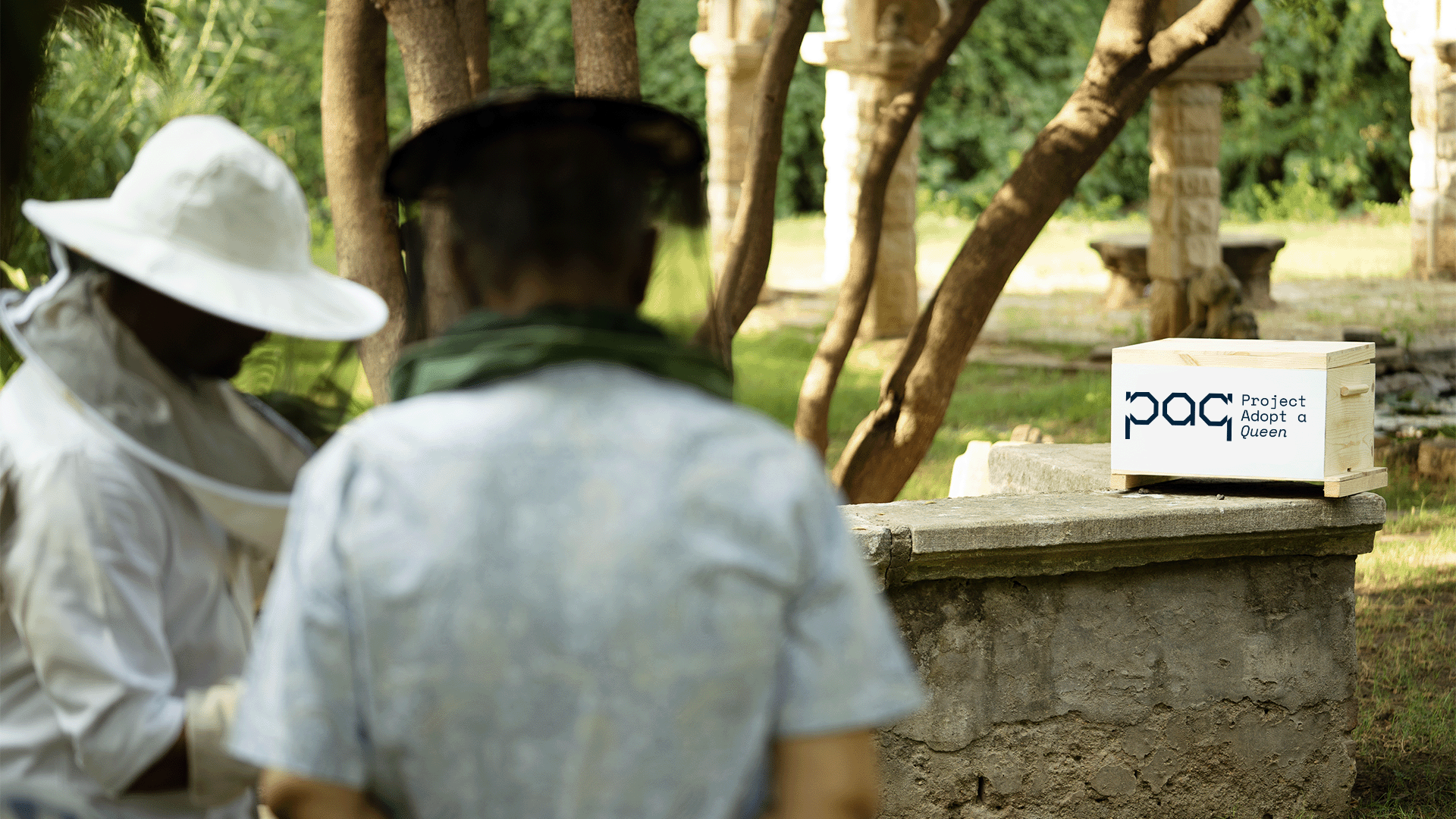
Then we stood beside an Apis cerana colony and watched the beekeeper open it slowly. Every movement had a reason. Smoke, spacing, the direction of the frame and the amount of time the hive stayed open all mattered. Inside, thousands of bees were working without a manager giving instructions.
The farm looked different after that
Earlier, I saw flowers as part of the landscape. After observing the bees, I started seeing routes: hive to flower, flower to flower, farm to market. We discussed how pollination can influence fruit formation and why pesticide timing can harm insects that farmers depend on.
We also saw PAQ technology. Sensors inside a hive can record temperature, humidity, weight and sound. A farm observation system can help teams notice crop stress. A handheld device can screen food samples and raise questions about quality. Technology felt less like a machine and more like another way of paying attention.
The biggest lesson
The field did not give us one problem to solve. It showed us a system: bees need forage, farmers need reliable pollination, beekeepers need sustainable work, consumers need trustworthy food and organisations need evidence of impact.
Before leaving, we tasted honey from different floral sources. Each tasted different because each landscape was different. That may be the sentence I remember most: honey carries the landscape.
I came to learn about bees. I left thinking about food, climate, livelihoods, technology and the kind of entrepreneur I could become.